多线程应用实例(上半)
一、单例模式
单例模式指的是,在一个进程中,限制某个类只能有唯一的实例。就比如JDBC的DataSource大部分只需要一个。
单例模式有很多种写法,最主流的的有两个,“饿汉模式”和“懒汉模式”。
1.1饿汉模式
“饿”的意思是急切,就是要在类被加载的时候就创建出实例,但饿汉模式又是单例模式,所以它不能被多次实例。
具体实现如下
class Singleton{
//static修饰的成员变量是类成员,在类被加载时初始化
    private static Singleton instance=new Singleton();


    public static Singleton getInstance(){
        return instance;
    }
    //关键
    private Singleton(){

    }
}


public class Demo51 {
    public static void main(String[] args) {
        Singleton s1=Singleton.getInstance();
        Singleton s2=Singleton.getInstance();
        System.out.println(s1==s2);
    }
}
此代码有以下关键点:
static修饰的instance用来保存唯一实例
通过方法给外部使用实例
private修饰的构造方法无法被外部new创建
1.2懒汉模式
“懒”就指的是在实例要被使用时才去创建实例,节省了饿汉直接初始化的开销
相比于饿汉,懒汉初始化为空,后续在创建即可
class SingletonLazy{
    private static SingletonLazy instance=null;
    public static SingletonLazy getInstance(){
        if(instance==null){
            instance=new SingletonLazy();
        }
        return instance;
    }
    private SingletonLazy(){}
}
1.3单例模式的线程安全问题(重点)
线程安全问题最容易出现在对变量的修改上
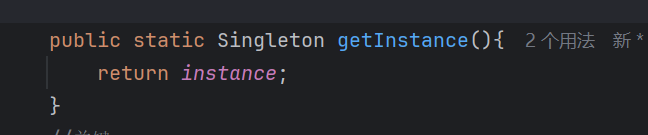
对于饿汉模式,以下操作只涉及到变量的读操作,是比较安全的
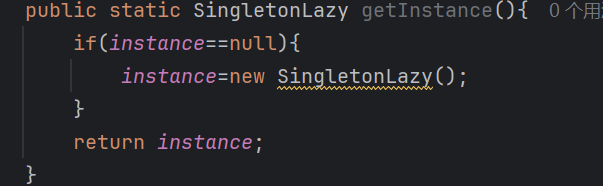
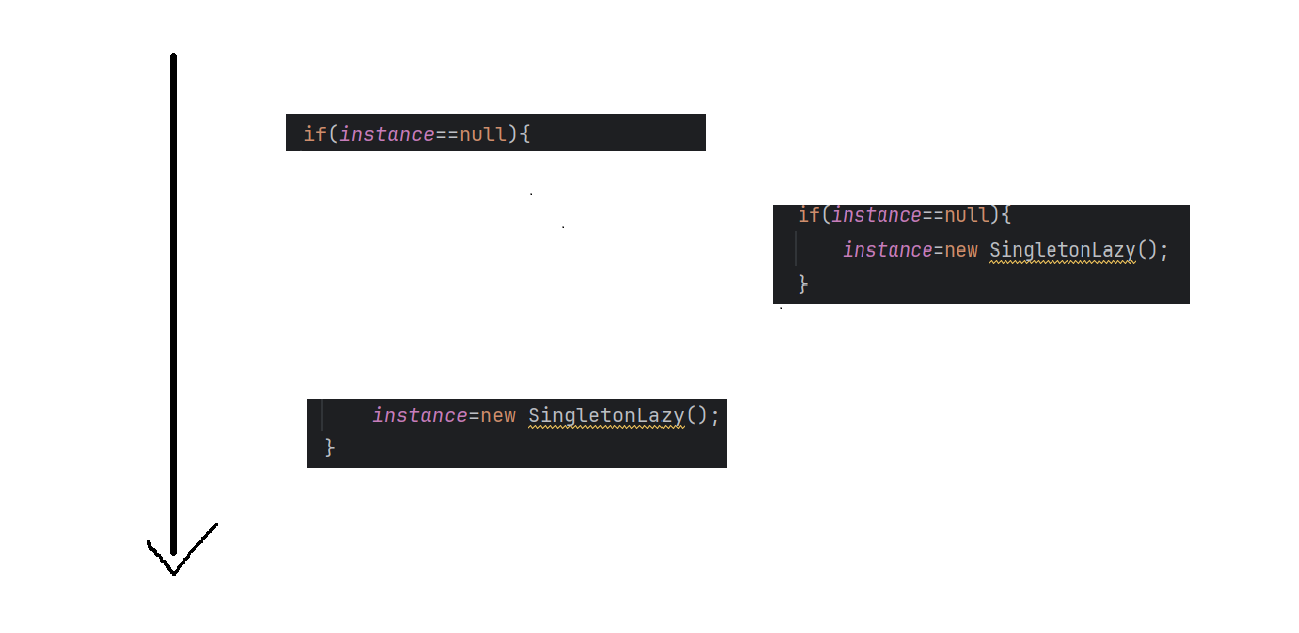
而对于懒汉模式,不仅有对变量的修改操作,还有变量的判断,这就很容易出现问题
如果两线程如此执行,那么右边的线程岂不是白费功夫?
1.3.1饿汉模式的原子性问题
这时我们要解决线程执行的原子性问题就可以利用加锁来解决,加锁可以保障锁内操作的原子性。
但是这样还有一个问题,那就是懒汉实例创建好了就没有修改操作了,变为线程安全了,就不需要加锁了,但调用时还是不断加锁阻塞影响性能
class SingletonLazy{
    private static SingletonLazy instance=null;
    private static Object locker=new Object();
    public static SingletonLazy getInstance(){
        synchronized(locker){
            if(instance==null){
                instance=new SingletonLazy();
            }
        }
        return instance;
    }
    private SingletonLazy(){}
}
完善上述代码,解决无效锁的问题
在原基础上在加上判断是否要加锁,让锁只加一次
class SingletonLazy{
    private static SingletonLazy instance=null;
    private static Object locker=new Object();
    public static SingletonLazy getInstance(){
        if(instance==null){
            synchronized(locker){
                if(instance==null){
                    instance=new SingletonLazy();
                }
            }
        }
        return instance;
    }
    private SingletonLazy(){}
}
1.3.2饿汉模式的指令重排序问题
指令重排序时编译器优化的一种方式,类似内存可见性问题也是编译器优化导致的。

举例说明:上述代码在JVM层要进行三步
1.分配内存
2.调用构造方法初始化内存
3.把地址赋值给引用变量
正常来说应该是123如此执行,但编译器优化会导致指令执行顺序变为231,132等等。
试想一下如果两个线程如此执行
在t1先执行3指令使instance有了地址,t2就会判定非空拿到return结果最后拿到一个没有内容的实例,这也触发了安全问题。
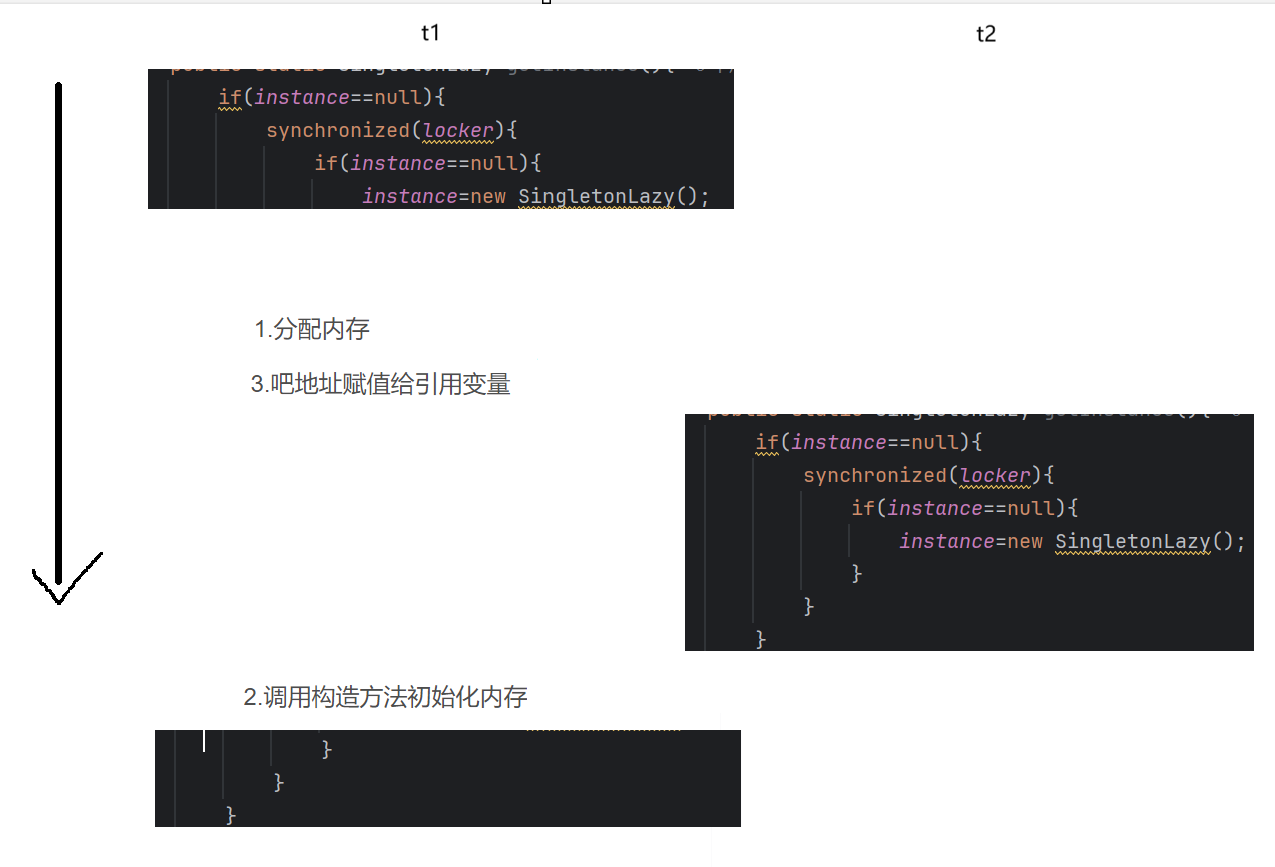
解决办法就是volatile关键字,告诉编译器这个变量是易变的,你小心点。

二、阻塞队列
2.1阻塞队列和生产者消费者模型
阻塞队列:
遵守“先入先出”原则
具有线程安全特性
当队列满的时候, 继续入队列就会阻塞, 直到有其他线程从队列中取走元素
当队列空的时候, 继续出队列也会阻塞, 直到有其他线程往队列中插入元素
生产者消费者模型:
通过容器来解决生产者和消费者的强耦合问题
生产者产生数据,消费者处理数据
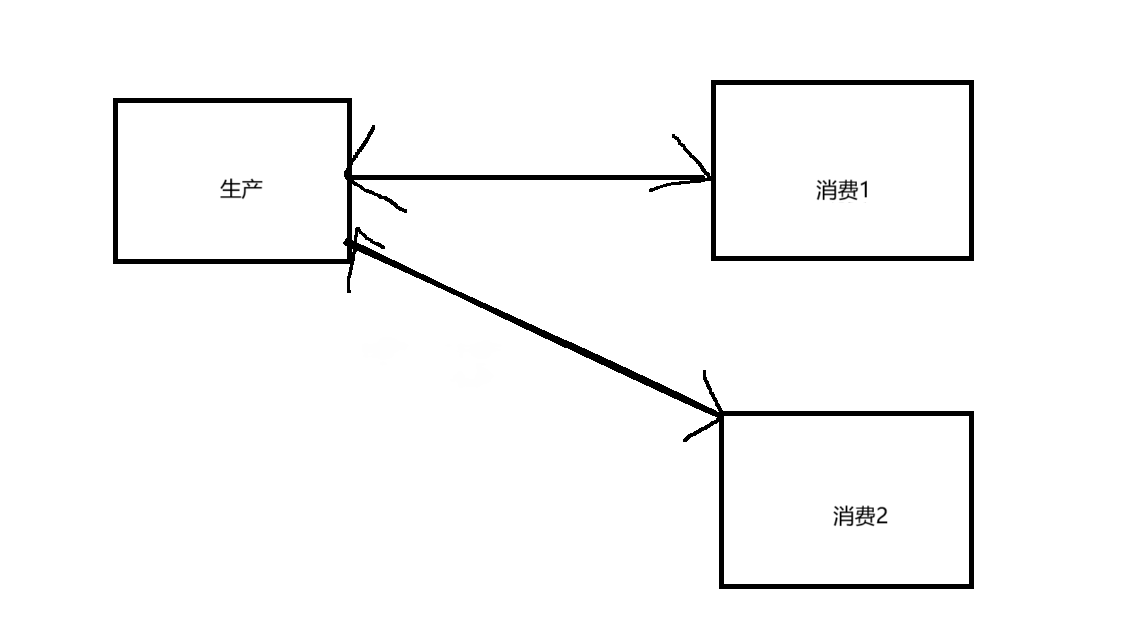
使用阻塞队列之前:消费者要直接调用才能拿到生产者的数据,也就是说生产者和消费者的关联很大,具体实例就是生产者包含消费者代码,消费者包含生产者代码
使用阻塞队列后 ,生产者和消费者之间通过阻塞队列来联系,生产者和消费者之间解耦合
同时阻塞队列也充当缓冲区,具有削峰填谷的作用
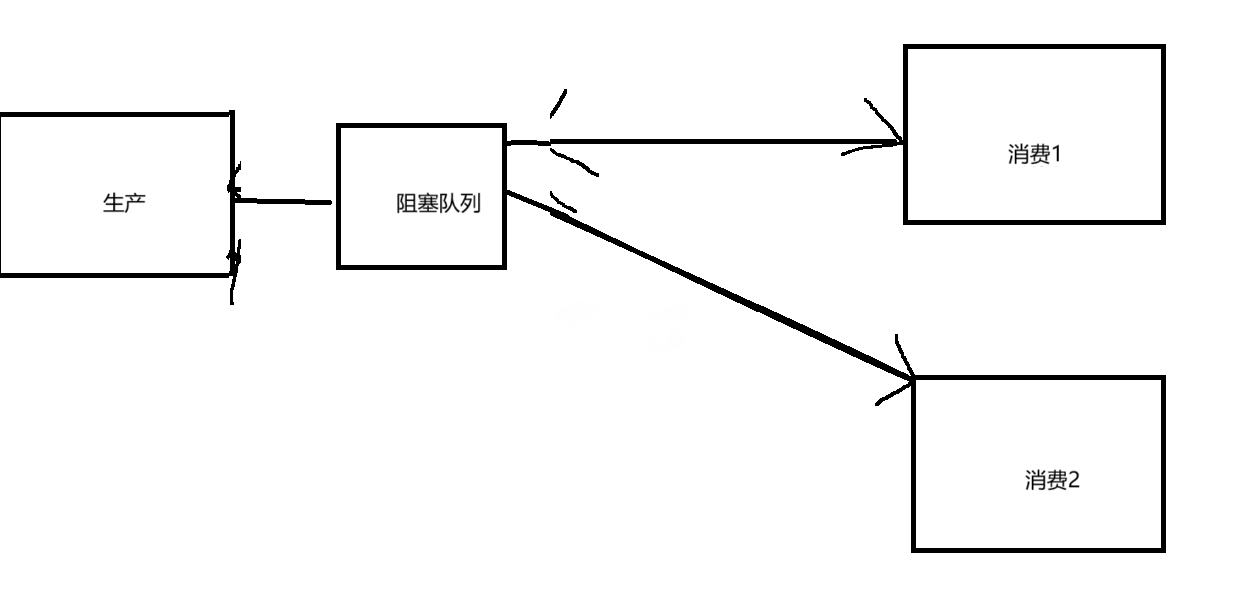
为何要在二者之间加入阻塞队列
如果消费者是服务器,在没有阻塞队列的情况下,生产者传递大量请求数据,服务器在处理这些操作就会消耗很多资源,一旦超过服务器承载上限,就会崩掉。而缓冲队列就可以让消费者单位时间处理的内容变化没。那么剧烈,保证正常使用(这里生产者和队列不容易崩,是因为它们执行的操作相比服务器要简单很多,消耗资源少)
阻塞队列代价:
需要更多硬件设备来实现
使生产者和消费者之间通讯时间延长
2.2Java标准库提供的阻塞队列
BlockingQueue<String> queue = new LinkedBlockingQueue<>();其中()内写入的内容表示容量
BlockingQueue 是⼀个接⼝. 真正实现的类是 LinkedBlockingQueueput ⽅法⽤于阻塞式的⼊队列, take ⽤于阻塞式的出队列.BlockingQueue 也有 offer, poll, peek 等⽅法, 但是这些⽅法不带有阻塞特性

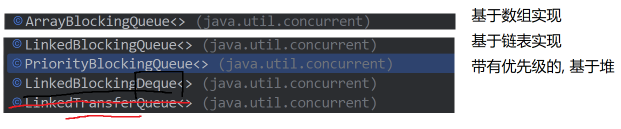
具体代码示例
试运行一下,可发现容量为3的队列再加入一个元素就会被阻塞
import java.util.concurrent.ArrayBlockingQueue;

import java.util.concurrent.BlockingQueue;

public class Demo52 {

    public static void main(String[] args) throws InterruptedException {
        BlockingQueue<String> queue = new ArrayBlockingQueue<>(3);

        queue.put("a");
        System.out.println("a");
        queue.put("b");
        System.out.println("b");
        queue.put("c");
        System.out.println("c");
        queue.put("d");
        System.out.println("d");

    }
}
这时我们拿出一个元素就可以了
import java.util.concurrent.ArrayBlockingQueue;

import java.util.concurrent.BlockingQueue;

public class Demo52 {

    public static void main(String[] args) throws InterruptedException {
        BlockingQueue<String> queue = new ArrayBlockingQueue<>(3);

        queue.put("a");
        System.out.println("a");
        queue.put("b");
        System.out.println("b");
        queue.put("c");
        System.out.println("c");
        queue.take();
        queue.put("d");
        System.out.println("d");

    }
}
2.3生产者消费者模型示例
模拟生产>消费,由于队列容量有限而阻塞
import java.util.concurrent.ArrayBlockingQueue;

import java.util.concurrent.BlockingQueue;

public class Demo52 {

    public static void main(String[] args) throws InterruptedException {
        BlockingQueue<String> queue = new ArrayBlockingQueue<>(3);

       Thread t1 = new Thread(() -> {
          int i = 1;
          while (true) {
              try {
                  queue.put(String.valueOf(i));
                  System.out.println("生产"+i);
                  i++;

                  //Thread.sleep(1000);
              } catch (InterruptedException e) {
                  throw new RuntimeException(e);
              }
          }
       });
       Thread t2 = new Thread(() -> {
          while (true) {
              try {
                  Thread.sleep(1000);
                  Integer i = Integer.valueOf(queue.take());
                  System.out.println("消费"+i);
              } catch (InterruptedException e) {
                  throw new RuntimeException(e);
              }
          }
       });
       t1.start();
       t2.start();
       t1.join();
       t2.join();

    }
}
模拟消费>生产,平缓消费速率
import java.util.concurrent.ArrayBlockingQueue;

import java.util.concurrent.BlockingQueue;

public class Demo52 {

    public static void main(String[] args) throws InterruptedException {
        BlockingQueue<String> queue = new ArrayBlockingQueue<>(3);

       Thread t1 = new Thread(() -> {
          int i = 1;
          while (true) {
              try {
                  queue.put(String.valueOf(i));
                  System.out.println("生产"+i);
                  i++;

                  Thread.sleep(1000);
              } catch (InterruptedException e) {
                  throw new RuntimeException(e);
              }
          }
       });
       Thread t2 = new Thread(() -> {
          while (true) {
              try {
                  //Thread.sleep(1000);
                  Integer i = Integer.valueOf(queue.take());
                  System.out.println("消费"+i);
              } catch (InterruptedException e) {
                  throw new RuntimeException(e);
              }
          }
       });
       t1.start();
       t2.start();
       t1.join();
       t2.join();

    }
}
2.4阻塞队列实现示例(基于数组)
先实现一个队列
class MyBlockingQuene{
    private String[] arr =null;

    private int head=0;
    private int tail=0;
    private int size=0;

    public MyBlockingQuene(int capacity){
        arr = new String[capacity];

    }
    public void put(String s){
        if(size==arr.length){
            return;
        }
        arr[tail] = s;
        tail++;
        if(tail>=arr.length){
            tail=0;
        }
        size++;
    }
    public String take(){
        if(size==0){
            return null;
        }
        String ret= arr[head];
        head++;
        if(head>=arr.length){
            head=0;
        }
        size--;
        return ret;

    }

}
接下来进行线程安全问题的解决
1.原子性问题,加锁解决,加锁的范围就是进行修改操作的地方
class MyBlockingQuene{
    private String[] arr =null;

    private int head=0;
    private int tail=0;
    private int size=0;

    public MyBlockingQuene(int capacity){
        arr = new String[capacity];

    }
    public void put(String s){
        synchronized(this){
            if(size==arr.length){
                return;
            }
            arr[tail] = s;
            tail++;
            if(tail>=arr.length){
                tail=0;
            }
            size++;
        }


    }
    public String take(){
        String ret=null;
        synchronized(this){
            if(size==0){
                return null;
            }
            ret= arr[head];
            head++;
            if(head>=arr.length){
                head=0;
            }
            size--;

        }
        return ret;

    }

}
2.实现阻塞,如果队列满了就通过take唤醒put,如果队列为空就通过put唤醒take
class MyBlockingQuene{
    private String[] arr =null;

    private int head=0;
    private int tail=0;
    private int size=0;

    public MyBlockingQuene(int capacity){
        arr = new String[capacity];

    }
    public void put(String s) throws InterruptedException {
        synchronized(this){
            if(size==arr.length){
                //队列为满
               this.wait();
            }
            arr[tail] = s;
            tail++;
            if(tail>=arr.length){
                tail=0;
            }
            size++;
            //队列为空的唤醒
            this.notify();

        }

    }

    public String take() throws InterruptedException {
        String ret="";
        synchronized(this){
            //队列为空进行阻塞
            if(size==0){
                this.wait();
            }
            ret= arr[head];
            head++;
            if(head>=arr.length){
                head=0;
            }
            size--;
            //队列为满的唤醒
            this.notify();

        }
        return ret;

    }

}

public class Demo53 {
    public static void main(String[] args) {
        MyBlockingQuene myQuene = new MyBlockingQuene(10);
        Thread t1 = new Thread(()->{
            int i = 1;
            while (true) {
                try {
                    myQuene.put(String.valueOf(i));
                    System.out.println("生产"+i);
                    i++;

                    Thread.sleep(1000);
                } catch (InterruptedException e) {
                    throw new RuntimeException(e);
                }
            }
        });
        Thread t2 = new Thread(()->{
            while (true) {
                try {
                    Thread.sleep(1000);
                    int i = Integer.parseInt(myQuene.take());
                    System.out.println("消费"+i);
                } catch (InterruptedException e) {
                    throw new RuntimeException(e);
                }
            }
        });
        t1.start();
        t2.start();

    }
}

有“AI”的1024 = 2048,欢迎大家加入2048 AI社区
更多推荐

 33
33 0
0- 0


 已为社区贡献2条内容

所有评论(0)