雅思套招小Tips(未完待续)
以上场景覆盖雅思口语 Part 1 和 Part 2 的高频话题,用词注重精准性(如 “renovated”“sustainability”“candid”),避免口语化冗余表达。每个例子均包含具体细节和个人感受,符合雅思对 “specificity” 和 “coherence” 的评分标准,可根据自身经历调整细节,增强真实性。
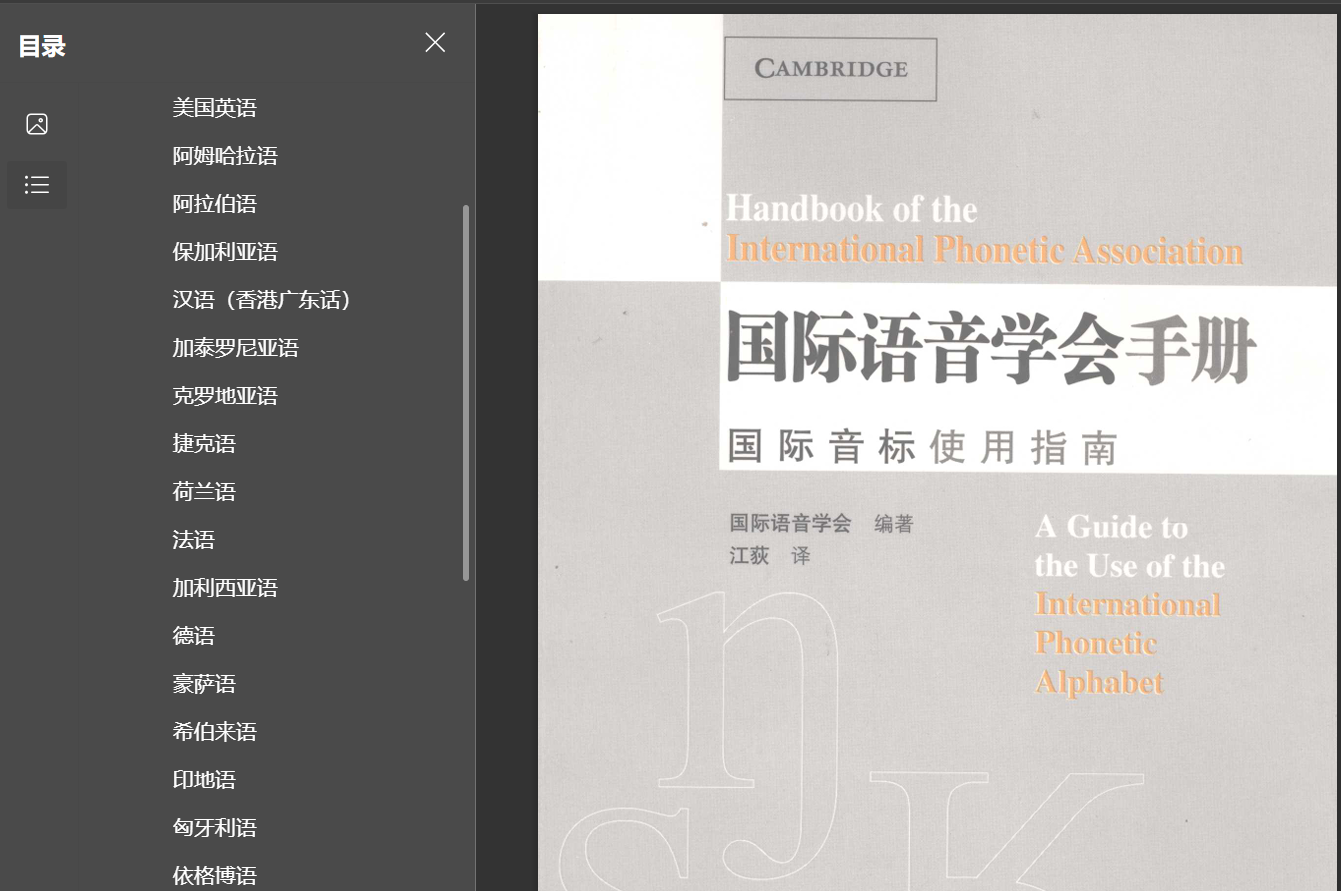
“问” 的汉语拼音是 wèn,对应的国际音标是 /wən˥˩/
国际音标诞生于 19 世纪末,其诞生与当时语言学界对语音学的深入研究以及对语言标准化表达的需求密切相关。具体历史如下:
- 学会成立:1886 年,由法国语言学家保罗・帕西为首的一群英国和法国语言教师,在巴黎成立了一个学会,旨在创造一套转写和记录人类语言的音标系统,这是国际语音学学会的前身。
- 初步设计:学会最初参考英语拼写改革使用的罗马字母,设计了一套音标表,且为适用于不同语言,允许符号在不同语言中有不同音值。
- 正式发布:1888 年,语音教师协会在其期刊上发布了第一版国际音标。此时规则修订为 “不论使用于何种语言,都一律使用相同的符号型式”,这成为日后国际音标修订的基础。
国际音标自诞生以来经历了多次修订,如 1912 年进行了第一次重大修订,增加了表示元音和辅音的额外符号。此后又在 1925 年、1932 年、1949 年等年份多次修订,以适应语音学领域的新发现和语言学界的最新研究成果。
国际音标理论上可以标注世界上所有语言的发音。
它是一套为记录人类语音而设计的符号系统,遵循 “一个音素只用一个音标表示,一个音标只表示一个音素” 的原则。截至 2005 年,国际音标共有 107 个单独字母、52 个变音符号和 4 个超音段成分符号,能够精确表示各种语言中的元音、辅音以及声调、重音等语音特征。目前,它已被用于记录超过 150 种语言的发音,包括汉语、英语、法语、俄语等常见语言,以及豪萨语、富拉语等撒哈拉以南非洲的语言。
以下是雅思口语中常见场景的应对思路、精准用词及例句,涵盖高频话题,注重场景全面性和表达准确性:雅思网上报名 - 教育部教育考试院 用词的精准与辞藻的高级与否无关!
雅思 9 分是极高的分数,无论来自哪个国家或地区,都并非依赖所谓 “天然优势”,而是源于系统的语言学习、扎实的积累和对考试规律的把握。能取得高分成绩,通常有以下原因:
语言环境的影响:日常工作、学习、生活中频繁使用英语,形成了类似母语的沉浸式环境,这会显著提升听说读写的熟练度。
系统的备考策略:雅思考试有明确的评分标准(如词汇多样性、语法准确性、逻辑连贯性等),高分考生往往会针对性训练 —— 比如精读真题分析出题思路,刻意积累学术词汇和复杂句式,反复练习口语流利度与写作逻辑,确保每个评分维度都接近满分标准。
语言天赋与持续投入:无论来自哪里,高分都离不开对语言的敏感度和长期投入。
对我来说,即便面对认识的词,我也会逐个查阅其词源,我就是这般笨拙。把学习当作游戏,是一场探索的冒险,不知不觉就能把10000词查完。了解有多少词根,英语中又有多少外来词。我查阅国际音标的研究并不是为了备考雅思,而是日常交流中含有西班牙语,希望借他人的研究,建立起中文、英文、西班牙语之间的关联,那自然都研究它们与西班牙语之间的关联,自然而然可以辅助提升我英语进一步的认识,方便我更好交流啊!以上内容都是提供给自己看的,如果帮到你,不用客气,我也不接受你的谢意,除了AI,活人的行为都是有目的性的!我的目的并不单一,所以看上去像没有目的一样!我没打算教会任何人什么,我只是没找到更好的笔记软件。
一、家乡(Hometown)
常见问题:
- Where is your hometown?
- What’s special about your hometown?
- Do you like living in your hometown?
- Has your hometown changed much in recent years?
应对策略:
- 精准定位:提及城市 / 地区 + 核心特征(如地理、文化、经济);
- 细节展开:结合个人经历(如童年记忆、地标、习俗);
- 变化对比:用 “过去 vs 现在” 体现观察,避免泛泛而谈。
例句:
- “My hometown is Chengdu, the capital of Sichuan Province, nestled in the Chengdu Plain. It’s renowned for its laid-back lifestyle, spicy Sichuan cuisine, and iconic attractions like the Giant Panda Base. What I cherish most is the vibrant tea culture—elderly locals often gather in teahouses, chatting over a cup of jasmine tea while watching Sichuan opera.”
- “It has undergone dramatic transformations over the past decade. The once narrow lanes in the old town have been renovated into pedestrian-friendly streets with preserved traditional architecture, while new tech parks on the outskirts have attracted a surge of young professionals. This blend of heritage and modernity makes it unique.”
二、工作 / 学习(Work/Study)
常见问题:
- What do you do for work/study?
- Why did you choose this job/major?
- Do you find your job/major challenging?
- What’s your favorite part of your work/study?
应对策略:
- 明确身份:简洁说明职业 / 专业 + 核心内容;
- 动机 / 感受:用 “具体原因”(如兴趣、前景)替代 “我喜欢”;
- 挑战 / 收获:举例说明(如技能提升、克服困难的经历)。
例句:
- “I’m a marketing specialist at a tech startup, focusing on digital campaigns for new apps. The job is dynamic—no two days are the same, which aligns with my preference for creativity over routine. For instance, last month, I led a social media campaign that boosted user downloads by 30% within a week, which was incredibly rewarding.”
- “I’m majoring in environmental science. My decision stemmed from a high school field trip to a polluted river near my hometown; seeing the impact of human activity firsthand sparked my desire to contribute to sustainability. The most challenging aspect is balancing lab research with theoretical courses, but it’s fulfilling to apply knowledge to real-world issues.”
三、居住环境(Living Environment)
常见问题:
- Where do you live now?
- Do you live in a house or an apartment?
- What’s your favorite room in your home?
- Is there anything you’d like to change about your living place?
应对策略:
- 描述细节:位置(如 “downtown/suburb”)、空间布局、周边设施;
- 情感连接:通过 “日常活动” 体现对空间的偏好(如 “study in the balcony”);
- 合理建议:提出具体改进(如 “add more greenery”)而非抱怨。
例句:
- “I live in a cozy apartment in the downtown area, within walking distance of a metro station and a community park. It’s a two-bedroom flat with a small balcony, where I often read books on weekends. The best part is the neighborhood—it’s quiet but convenient, with a 24-hour convenience store nearby.”
- “If I could change one thing, it would be the lighting in the living room. It’s a bit dim for evening gatherings with friends, so I plan to install track lights to brighten up the space without making it too harsh.”
四、爱好(Hobbies)
常见问题:
- What do you like to do in your free time?
- When did you start doing this hobby?
- Do you prefer to do hobbies alone or with others?
- Has your hobby changed since you were a child?
应对策略:
- 具体爱好:避免 “watching TV” 等笼统答案,选有细节的(如 “hiking/playing the guitar”);
- 原因 + 影响:说明爱好带来的价值(如 “relieve stress/improve skills”);
- 对比变化:体现成长(如 “childhood hobby vs current hobby”)。
例句:
- “I’m passionate about urban photography—I love capturing candid moments of city life, like street vendors setting up their stalls at dawn or commuters hurrying in the rain. I started this hobby three years ago after receiving a DSLR camera as a birthday gift. It teaches me to notice beauty in ordinary scenes, which has made me more observant in daily life.”
- “As a kid, I used to collect stamps, but now I prefer solo hiking. Stamps connected me to different cultures, while hiking allows me to disconnect from screens and recharge in nature. Both hobbies satisfy my curiosity, just in different ways.”
五、节日(Festivals)
常见问题:
- What’s your favorite festival?
- How do people celebrate this festival in your country?
- Do you prefer family gatherings or parties during festivals?
- Has the way people celebrate festivals changed?
应对策略:
- 文化内涵:说明节日的意义(如 “honor ancestors/reunite families”);
- 具体习俗:描述食物、活动(如 “making dumplings/setting off fireworks”);
- 现代变化:对比传统与现在(如 “online greetings replacing handwritten cards”)。
例句:
- “My favorite festival is the Spring Festival, or Chinese New Year. It’s a time for family reunions—no matter how far we live, we gather at my grandparents’ house to make dumplings, watch the CCTV Gala, and exchange red envelopes (hongbao) with good wishes. The aroma of braised pork and the sound of firecrackers (though now restricted in cities) always evoke warm memories.”
- “Celebrations have become more simplified these days. Younger generations often opt for short trips instead of staying at home, and digital hongbao via apps are as common as physical ones. However, the core spirit—valuing family bonds—remains unchanged.”
六、旅行(Travel)
常见问题:
- Do you like traveling?
- Where was your most memorable trip?
- Do you prefer traveling alone or with others?
- What do you usually do when traveling?
应对策略:
- 目的地特征:提及地点 + 独特体验(如 “local cuisine/historical sites”);
- 感受细节:用感官描写(如 “the sound of waves/the taste of street food”)增强画面感;
- 偏好原因:结合性格(如 “alone for flexibility/with friends for laughter”)。
例句:
- “I’m an avid traveler, and my most memorable trip was to Lijiang, a ancient town in Yunnan. What struck me was its cobblestone streets lined with traditional Naxi-style houses, and the serene Black Dragon Pool reflecting the snow-capped Jade Dragon Snow Mountain. I spent mornings chatting with local elders in the square, learning about their matriarchal culture, which was eye-opening.”
- “I prefer traveling with a small group of friends—we can split costs, share itinerary ideas, and laugh over unexpected mishaps, like getting lost in a village and being invited for dinner by a kind farmer. That said, solo travel has its charm too, as it lets me set my own pace, like lingering in a café to observe locals.”
七、科技(Technology)
常见问题:
- How often do you use electronic devices?
- What’s your favorite app?
- Do you think technology makes life easier?
- Are there any disadvantages of technology?
应对策略:
- 具体应用:举例说明科技如何融入生活(如 “using navigation apps for commuting”);
- 利弊平衡:承认便利(如 “online shopping”),也提及问题(如 “screen addiction”);
- 个人态度:避免极端,体现理性看待(如 “moderation is key”)。
例句:
- “I use electronic devices daily—my smartphone is essential for work emails, while I rely on a fitness tracker to monitor my workouts. My favorite app is Douban, which recommends books and movies based on my preferences; it introduced me to several lesser-known novels that became my favorites.”
- “Technology undoubtedly simplifies life—video calls let me stay connected with my sister studying abroad, and mobile payments eliminate the need for cash. However, it can be overwhelming: I sometimes find myself mindlessly scrolling through social media, wasting time. So I set screen-time limits to strike a balance.”
以上场景覆盖雅思口语 Part 1 和 Part 2 的高频话题,用词注重精准性(如 “renovated”“sustainability”“candid”),避免口语化冗余表达。每个例子均包含具体细节和个人感受,符合雅思对 “specificity” 和 “coherence” 的评分标准,可根据自身经历调整细节,增强真实性。
以下是雅思口语中其他高频场景,可补充参考:
- 食物(Favorite food, cooking, eating out)
- 媒体(TV programs, movies, books, music)
- 交通(Daily commute, public transport, driving)
- 天气与季节(Favorite season, weather in your area)
- 朋友与家庭(Relationship with family/friends, important people)
- 购物(Shopping habits, favorite shopping places)
- 未来规划(Career plans, study goals, future travel)
- 时间管理(How you organize time, busy periods)
- 建筑(Favorite building, buildings in your hometown)
- 动物(Pets, favorite animals, wildlife)
- 运动(Sports you like, exercise habits)
- 传统与文化(Traditional customs, local culture)
- 手机与网络(Mobile phone usage, internet influence)
- 学习语言(Language learning experience, difficulties)
- 公园与休闲场所(Parks, places for relaxation)

有“AI”的1024 = 2048,欢迎大家加入2048 AI社区
更多推荐

 8
8 0
0- 0


 已为社区贡献4条内容

所有评论(0)