企业级 LLM 实战:在受限环境中基于 Copilot API 构建 ReAct MCP Agent
本文介绍了在受限金融IT环境中构建LLM智能代理的实战方案。针对企业级Copilot API不支持标准Function Calling的问题,提出基于ReAct模式和Model Context Protocol(MCP)的创新架构。通过时序图展示了包含请求接收、路由思考、工具调用和响应持久化的完整流程,详细说明了McpToolConverter协议适配器、ToolCallableAgent抽象基类
企业级 LLM 实战:在受限环境中基于 Copilot API 构建 ReAct MCP Agent
在银行等金融 IT 环境中,LLM 应用落地往往面临着严苛的限制。最典型的一道坎是:我们只能使用公司内部提供的 LLM API(如 Copilot API),而这些 API 往往是不完整的。
本文将复盘一次真实的架构演进:当我们的基础模型不支持标准的 Function Calling (bind_tools) 时,如何通过 ReAct 模式 和 Model Context Protocol (MCP),手动构建一个强大的、支持工具调用的智能 Agent。
1. 交互全景图 (Architecture Overview)
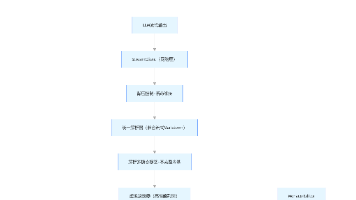
在深入代码细节之前,让我们先通过一张时序图来俯瞰整个系统的请求流转过程。
2. 困境:当 bind_tools 失效
2.1 背景
我们基于公司提供的 Copilot API 封装了一个 LangChain BaseChatModel。基础的对话功能(ainvoke, astream)一切正常。
2.2 遭遇滑铁卢
当我们试图引入工具调用能力(Agentic Workflow)时,按照标准文档调用 llm.bind_tools(tools),却收到了冷冰冰的错误:NotImplementedError
原因在于:Copilot API(或其内部封装)并没有完全遵循 OpenAI 的 Function Calling 规范,或者我们的封装层无法透传这些参数。
这意味着我们失去了一键构建 Agent 的能力。我们必须寻找另一条路。
3. 破局:回归 ReAct 模式与核心组件设计
既然模型“不懂”原生工具调用,我们就教它用“人话”来调用工具。这正是 ReAct (Reasoning + Acting) 模式的精髓。
为了实现这一目标,我们设计了以下核心组件:
3.1 McpToolConverter: 协议适配器
职责:将 MCP 协议定义的工具(JSON Schema)转换为 LangChain 的 StructuredTool。这确保了我们的代码能够“读懂”MCP Server 提供的任何工具。
# src/tools/mcp_tool_converter.py
class McpToolConverter:
    @staticmethod
    def convert(tool: McpTool) -> StructuredTool:
        # 动态创建 Pydantic Model,这是 LangChain 验证参数的基础
        fields = {}
        for name, prop in tool.inputSchema["properties"].items():
            # ... 解析类型和描述 ...
            fields[name] = (p_type, Field(description=desc))

        args_model = create_model(f"{tool.name}Schema", **fields)
        return StructuredTool.from_function(..., args_schema=args_model)
3.2 ToolCallableAgent: 抽象基类
职责:负责基础设施。它连接 MCP Server,获取工具列表,并负责生成能够“教”会 LLM 使用这些工具的 System Prompt。
关键实现:手动构建工具 Prompt
既然不能用 bind_tools,我们就把工具定义写进 System Prompt 里。
# src/agents/tool_callable_agent.py
class ToolCallableAgent(BaseAgent):
    async def initialize(self):
        # 1. 连接 MCP Server
        # 2. 获取工具列表
        # 3. 生成 Prompt 描述
        self.tool_definitions = self._format_tool_definitions(self.tools)

    def _format_tool_definitions(self, tools: List[McpTool]) -> str:
        prompt_lines = ["You have access to the following tools:\n"]
        for tool in tools:
            schema = json.dumps(tool.inputSchema, indent=2)
            prompt_lines.append(f"Name: {tool.name}\nDescription: {tool.description}\nArguments: {schema}")

        prompt_lines.append("""
To use a tool, please output a JSON blob wrapped in markdown code block like this:
...json
{ "action": "tool_name", "action_input": { ... } }
...
""")
        return "\n".join(prompt_lines)
3.3 GithubReactAgent: 领域专家
职责:专注于 GitHub 相关任务。它继承自 ToolCallableAgent,实现了核心的 ReAct Loop。
关键实现:手动解析与执行循环
它不依赖 AgentExecutor,而是自己控制循环逻辑。
# src/agents/github_react_agent.py
class GithubReactAgent(ToolCallableAgent):
    def _parse_tool_call(self, text: str) -> dict | None:
        # 正则提取 JSON
        json_match = re.search(r"```json\s*(\{.*?\})\s*```", text, re.DOTALL)
        return json.loads(json_match.group(1)) if json_match else None

    async def _agent_loop(self, messages: List) -> AsyncIterator[BaseMessageChunk]:
        """ReAct Loop: Think -> Parse -> Act -> Observe -> Think"""
        while turn < MAX_TURNS:
            # 1. Think
            async for chunk in self.llm_service.llm.astream(messages):
                yield chunk # 实时流式输出思考过程

            # 2. Parse & Act
            if tool_call := self._parse_tool_call(full_response):
                # 3. Observe
                tool_result = await self._execute_tool_ephemeral(tool_call['action'], tool_call['action_input'])
                messages.append(HumanMessage(content=f"Tool Output: {tool_result}"))
3.4 MainAgent: 智能路由器
职责:作为系统的单一入口,负责意图识别和任务分发。
关键实现:动态路由与幻觉抑制
它不直接执行业务逻辑,而是通过 delegate_to_github 这样的“元工具”将任务派发给 GithubReactAgent。我们在调试中发现它容易产生幻觉,因此对其进行了特别强化。
# src/agents/main_agent.py
class MainAgent(BaseAgent):
    def __init__(self, llm_service, github_agent):
        self.tool_mapping = {
            "delegate_to_github": {"agent": github_agent, "name": "GitHub Agent"}
        }

    def _build_system_prompt(self) -> str:
        # 强指令防止幻觉
        return """You are a helpful assistant and a router.
CRITICAL INSTRUCTIONS:
1. You MUST ONLY use the tools listed above.
2. Do NOT invent or hallucinate new tools.
3. If the user request involves GitHub ..., MUST use `delegate_to_github`.
"""

    async def _astream_impl(self, input, chat_history):
        # ... (流式输出与 JSON 拦截逻辑) ...
        # 如果检测到 JSON Tool Call,拦截并替换为友好提示
        if tool_call:
            yield AIMessageChunk(content=f"\n[System: I will ask the {agent_name} to help...]\n")
            async for chunk in agent.astream(query):
                yield chunk
4. 进阶挑战:调试与修复
解决了“能用”的问题后,我们又遇到了“好用”的问题。
4.1 场景:分步提问引发的血案
用户先问:“列出我的 repo”,Agent 问:“你是谁?”,用户答:“nvd11”。
在这个过程中,我们遇到了两个严重问题:
- 重复提问:Agent 似乎忘记了它问过什么,或者把用户的回答重复处理了。
- 幻觉:Agent 在调用工具前,自己编造了一堆假的 repo 列表。
4.2 调试与修复
通过 LangSmith Trace,我们发现问题的根源在于我们手动实现的 Loop 和 Prompt 还不够严谨。
修复一:历史记录去重
我们的 ChatService 采用了“先存后读”的策略,导致最新的 User Input 在 chat_history 中出现了一次,作为 input 参数又出现了一次。模型看到两次 “nvd11”,逻辑就乱了。
- Fix: 在读取历史记录后,如果最后一条与当前输入相同,手动移除它。
修复二:幻觉抑制 (Thinking Suppression)
模型太“热心”了,在输出 JSON 工具调用指令的同时,顺便把“结果”也编出来了。
- Fix 1 (Prompt): 在
MainAgentSystem Prompt 中加入CRITICAL INSTRUCTIONS,严厉禁止 “invent or hallucinate new tools”。 - Fix 2 (Code): 在流式输出 (
astream) 中引入拦截机制。一旦检测到```json开始,就停止向用户输出后续文本。只在工具执行完毕后,由系统生成一条友好的[System: Calling GitHub...]提示。
5. 总结
在受限的企业级环境中,我们不能总是依赖最先进、最便捷的 API(如 OpenAI Function Calling)。但这并不意味着我们束手无策。
通过 ReAct 模式,我们用最原始的 Prompt Engineering 和正则解析,手动重建了 Agent 的思考回路。结合 MCP 协议,我们成功将这一能力扩展到了无限的外部工具。
这不仅是一个技术 workaround,更是一种对 LLM 原理深刻理解后的架构创新。它证明了:只要模型具备基本的指令遵循能力(Instruction Following),我们就能构建出强大的 Agent 系统。

有“AI”的1024 = 2048,欢迎大家加入2048 AI社区
更多推荐
 16
16 0
0- 0


 已为社区贡献32条内容

所有评论(0)