Flutter for OpenHarmony 实战:步进器组件实现
Flutter 组件开发使用和State管理组件状态自定义构造函数,支持多个可选参数通过setState方法更新 UI布局与样式使用Row和Column进行基本布局通过Container和自定义按钮样式使用IconButton实现按钮点击功能通过TextStyle定制文本外观用户交互实现按钮点击事件处理通过回调函数通知父组件数值变化动态禁用边界按钮,提升用户体验代码组织将步进器组件抽离为独立文件在
前言:跨生态开发的新机遇
在移动开发领域,我们总是面临着选择与适配。今天,你的Flutter应用在Android和iOS上跑得正欢,明天可能就需要考虑一个新的平台:HarmonyOS(鸿蒙)。这不是一道选答题,而是很多团队正在面对的现实。
Flutter的优势很明确——写一套代码,就能在两个主要平台上运行,开发体验流畅。而鸿蒙代表的是下一个时代的互联生态,它不仅仅是手机系统,更着眼于未来全场景的体验。将现有的Flutter应用适配到鸿蒙,听起来像是一个“跨界”任务,但它本质上是一次有价值的技术拓展:让产品触达更多用户,也让技术栈覆盖更广。
不过,这条路走起来并不像听起来那么简单。Flutter和鸿蒙,从底层的架构到上层的工具链,都有着各自的设计逻辑。会遇到一些具体的问题:代码如何组织?原有的功能在鸿蒙上如何实现?那些平台特有的能力该怎么调用?更实际的是,从编译打包到上架部署,整个流程都需要重新摸索。
这篇文章想做的,就是把这些我们趟过的路、踩过的坑,清晰地摊开给你看。我们不会只停留在“怎么做”,还会聊到“为什么得这么做”,以及“如果出了问题该往哪想”。这更像是一份实战笔记,源自真实的项目经验,聚焦于那些真正卡住过我们的环节。
无论你是在为一个成熟产品寻找新的落地平台,还是从一开始就希望构建能面向多端的应用,这里的思路和解决方案都能提供直接的参考。理解了两套体系之间的异同,掌握了关键的衔接技术,不仅能完成这次迁移,更能积累起应对未来技术变化的能力。
混合工程结构深度解析
项目目录架构
当Flutter项目集成鸿蒙支持后,典型的项目结构会发生显著变化。以下是经过ohos_flutter插件初始化后的项目结构:
my_flutter_harmony_app/
├── lib/                          # Flutter业务代码(基本不变)
│   ├── main.dart                 # 应用入口
│   ├── home_page.dart           # 首页
│   └── utils/
│       └── platform_utils.dart  # 平台工具类
├── pubspec.yaml                  # Flutter依赖配置
├── ohos/                         # 鸿蒙原生层(核心适配区)
│   ├── entry/                    # 主模块
│   │   └── src/main/
│   │       ├── ets/              # ArkTS代码
│   │       │   ├── MainAbility/
│   │       │   │   ├── MainAbility.ts       # 主Ability
│   │       │   │   └── MainAbilityContext.ts
│   │       │   └── pages/
│   │       │       ├── Index.ets           # 主页面
│   │       │       └── Splash.ets          # 启动页
│   │       ├── resources/        # 鸿蒙资源文件
│   │       │   ├── base/
│   │       │   │   ├── element/  # 字符串等
│   │       │   │   ├── media/    # 图片资源
│   │       │   │   └── profile/  # 配置文件
│   │       │   └── en_US/        # 英文资源
│   │       └── config.json       # 应用核心配置
│   ├── ohos_test/               # 测试模块
│   ├── build-profile.json5      # 构建配置
│   └── oh-package.json5         # 鸿蒙依赖管理
└── README.md
目录
展示效果图片
flutter 实时预览 效果展示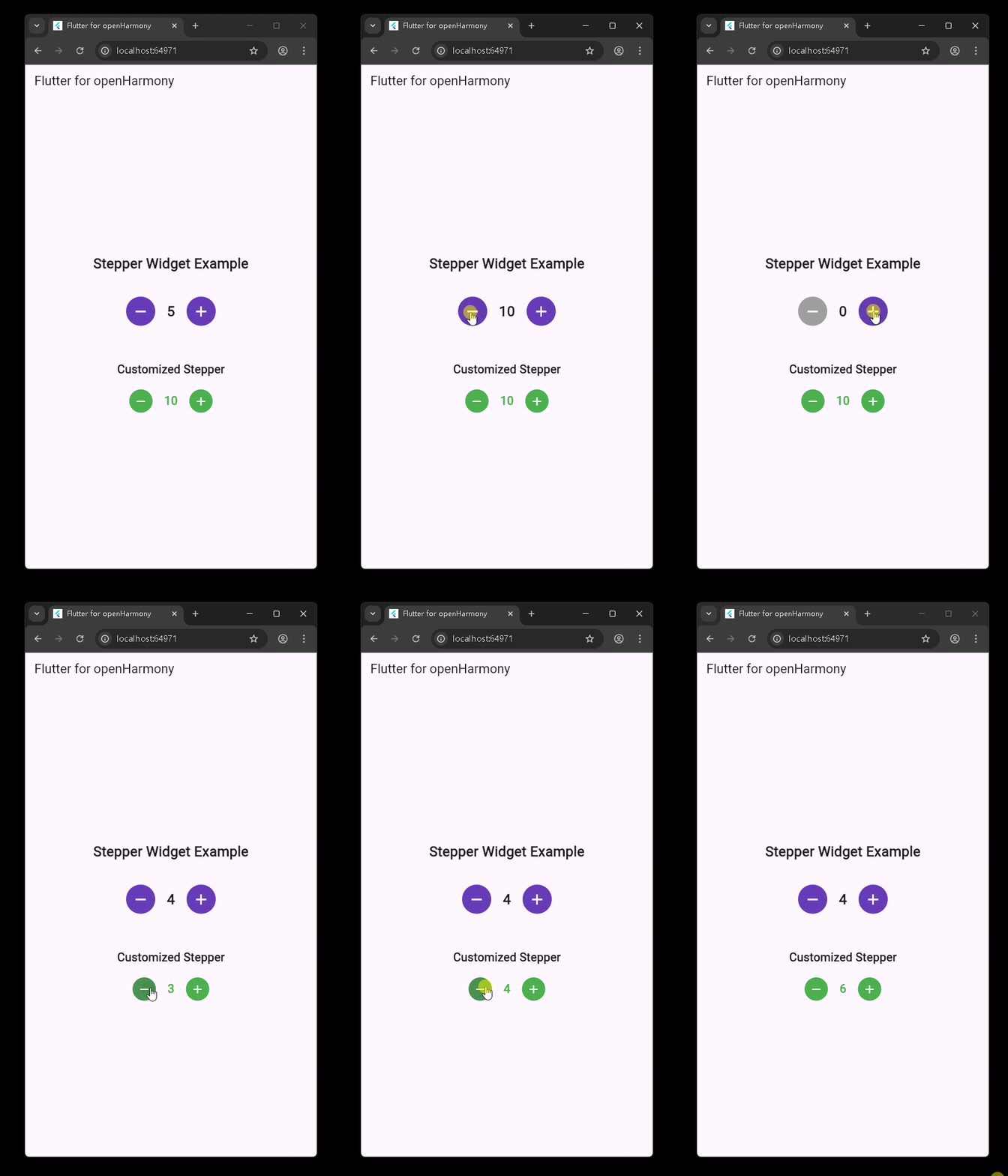
运行到鸿蒙虚拟设备中效果展示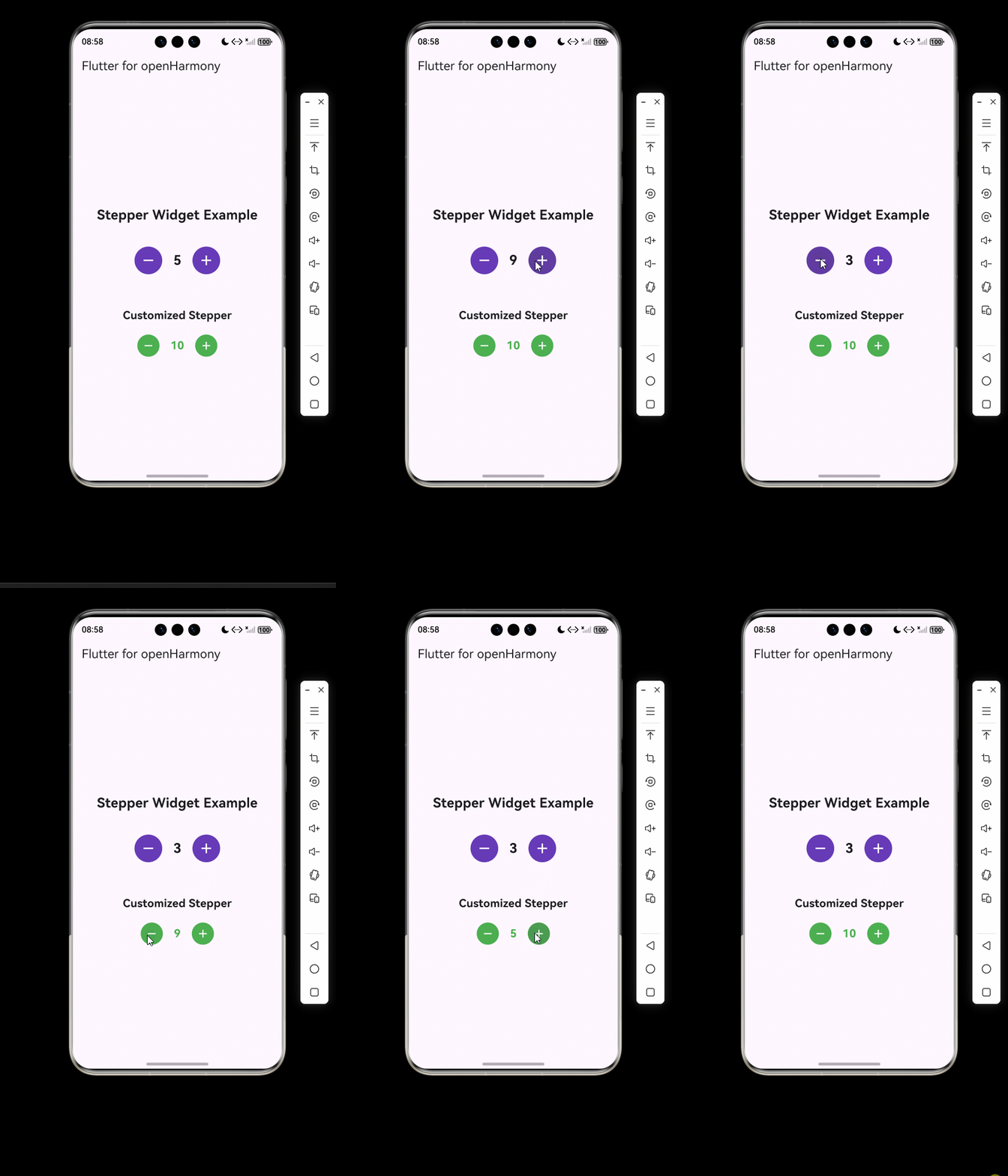
功能代码实现
步进器组件设计与实现
步进器是一种常见的用户界面组件,用于在一定范围内增加或减少数值。在本次开发中,我们实现了一个高度可定制的步进器组件,具体实现如下:
组件结构设计
步进器组件采用 StatefulWidget 实现,因为它需要维护内部状态(当前数值)。组件包含以下核心属性:
initialValue:初始数值minValue:最小值限制maxValue:最大值限制onValueChanged:数值变化回调buttonSize:按钮大小textStyle:文本样式buttonColor:按钮颜色iconColor:图标颜色
核心代码实现
import 'package:flutter/material.dart';
class StepperWidget extends StatefulWidget {
final int initialValue;
final int minValue;
final int maxValue;
final ValueChanged<int>? onValueChanged;
final double buttonSize;
final TextStyle? textStyle;
final Color buttonColor;
final Color iconColor;
const StepperWidget({
super.key,
this.initialValue = 0,
this.minValue = 0,
this.maxValue = 100,
this.onValueChanged,
this.buttonSize = 40.0,
this.textStyle,
this.buttonColor = Colors.blue,
this.iconColor = Colors.white,
});
State<StepperWidget> createState() => _StepperWidgetState();
}
class _StepperWidgetState extends State<StepperWidget> {
late int _value;
void initState() {
super.initState();
_value = widget.initialValue;
}
void _decrement() {
if (_value > widget.minValue) {
setState(() {
_value--;
widget.onValueChanged?.call(_value);
});
}
}
void _increment() {
if (_value < widget.maxValue) {
setState(() {
_value++;
widget.onValueChanged?.call(_value);
});
}
}
Widget build(BuildContext context) {
return Row(
mainAxisAlignment: MainAxisAlignment.center,
children: [
_buildButton(
icon: Icons.remove,
onPressed: _decrement,
enabled: _value > widget.minValue,
),
const SizedBox(width: 20),
Text(
'$_value',
style: widget.textStyle ??
TextStyle(
fontSize: 24,
fontWeight: FontWeight.bold,
),
),
const SizedBox(width: 20),
_buildButton(
icon: Icons.add,
onPressed: _increment,
enabled: _value < widget.maxValue,
),
],
);
}
Widget _buildButton({
required IconData icon,
required VoidCallback onPressed,
required bool enabled,
}) {
return Container(
width: widget.buttonSize,
height: widget.buttonSize,
decoration: BoxDecoration(
color: enabled ? widget.buttonColor : Colors.grey,
borderRadius: BorderRadius.circular(widget.buttonSize / 2),
),
child: IconButton(
icon: Icon(icon, color: widget.iconColor),
onPressed: enabled ? onPressed : null,
iconSize: widget.buttonSize * 0.6,
),
);
}
}
组件使用方法
在首页中,我们展示了两个不同样式的步进器实例:
import 'package:flutter/material.dart';
import 'stepper_widget.dart';
void main() {
runApp(const MyApp());
}
class MyApp extends StatelessWidget {
const MyApp({super.key});
Widget build(BuildContext context) {
return MaterialApp(
title: 'Flutter for openHarmony',
theme: ThemeData(
colorScheme: ColorScheme.fromSeed(seedColor: Colors.deepPurple),
useMaterial3: true,
),
debugShowCheckedModeBanner: false,
home: const MyHomePage(title: 'Flutter for openHarmony'),
);
}
}
class MyHomePage extends StatefulWidget {
const MyHomePage({super.key, required this.title});
final String title;
State<MyHomePage> createState() => _MyHomePageState();
}
class _MyHomePageState extends State<MyHomePage> {
Widget build(BuildContext context) {
return Scaffold(
appBar: AppBar(
title: Text(widget.title),
),
body: Center(
child: Column(
mainAxisAlignment: MainAxisAlignment.center,
children: <Widget>[
const Text(
'Stepper Widget Example',
style: TextStyle(fontSize: 24, fontWeight: FontWeight.bold),
),
const SizedBox(height: 40),
StepperWidget(
initialValue: 5,
minValue: 0,
maxValue: 20,
onValueChanged: (value) {
// Handle value change
},
buttonSize: 50,
buttonColor: Colors.deepPurple,
),
const SizedBox(height: 60),
const Text(
'Customized Stepper',
style: TextStyle(fontSize: 20, fontWeight: FontWeight.bold),
),
const SizedBox(height: 20),
StepperWidget(
initialValue: 10,
minValue: 0,
maxValue: 100,
buttonSize: 40,
buttonColor: Colors.green,
textStyle: const TextStyle(
fontSize: 20,
fontWeight: FontWeight.bold,
color: Colors.green,
),
),
],
),
),
);
}
}
开发注意事项
- 状态管理:使用
StatefulWidget管理内部数值状态,确保数值变化能够触发 UI 更新 - 边界检查:在增加或减少数值时,需要检查是否达到最小值或最大值,避免数值溢出
- 用户体验:当达到边界值时,对应按钮应变为禁用状态,提供清晰的视觉反馈
- 可定制性:通过暴露多个属性,允许开发者根据具体需求定制组件外观
- 代码规范:使用
super.key简化构造函数,遵循 Dart 语言最佳实践
本次开发中容易遇到的问题
-
组件状态管理问题
- 问题描述:在实现步进器时,若使用
StatelessWidget,数值变化将无法正确显示 - 解决方案:使用
StatefulWidget并通过setState方法更新状态,确保 UI 能够响应数值变化
- 问题描述:在实现步进器时,若使用
-
边界值处理问题
- 问题描述:未正确处理最小值和最大值边界,可能导致数值超出预期范围
- 解决方案:在
_decrement和_increment方法中添加边界检查,确保数值始终在设定范围内
-
按钮禁用状态问题
- 问题描述:当达到边界值时,按钮仍可点击,用户体验不佳
- 解决方案:根据当前数值与边界值的关系,动态设置按钮的
enabled属性
-
样式定制问题
- 问题描述:组件样式固定,无法适应不同场景的需求
- 解决方案:通过构造函数参数暴露样式相关属性,允许开发者根据需要定制
-
代码规范问题
- 问题描述:未遵循 Dart 语言最佳实践,代码可读性和维护性较差
- 解决方案:使用
super.key简化构造函数,添加适当的注释,保持代码结构清晰
总结本次开发中用到的技术点
-
Flutter 组件开发
- 使用
StatefulWidget和State管理组件状态 - 自定义构造函数,支持多个可选参数
- 通过
setState方法更新 UI
- 使用
-
布局与样式
- 使用
Row和Column进行基本布局 - 通过
Container和BoxDecoration自定义按钮样式 - 使用
IconButton实现按钮点击功能 - 通过
TextStyle定制文本外观
- 使用
-
用户交互
- 实现按钮点击事件处理
- 通过回调函数
ValueChanged<int>通知父组件数值变化 - 动态禁用边界按钮,提升用户体验
-
代码组织
- 将步进器组件抽离为独立文件
stepper_widget.dart - 在主文件
main.dart中引用并使用组件 - 遵循 Dart 语言代码规范,保持代码清晰易读
- 将步进器组件抽离为独立文件
-
跨平台适配
- 利用 Flutter 的跨平台特性,确保组件在 OpenHarmony 上正常运行
- 避免使用平台特定的 API,保证代码的可移植性
通过本次开发,我们不仅实现了一个功能完整、可定制性强的步进器组件,还掌握了 Flutter 组件开发的核心技术和最佳实践,为后续在 OpenHarmony 平台上开发更多复杂组件积累了经验。
欢迎加入开源鸿蒙跨平台社区: https://openharmonycrossplatform.csdn.net

有“AI”的1024 = 2048,欢迎大家加入2048 AI社区
更多推荐


 20
20 0
0- 0


 已为社区贡献2条内容

所有评论(0)