在 Cursor 中打造你的专属前端“AI 助手”:Agent Skills 实战指南 什么是 Agent Skills?
文章目录
一、什么是 Agent Skills?
简单来说,Agent Skills 是一种标准化的方式,用来封装特定任务的知识和工作流。
如果说 MCP (Model Context Protocol) 是给 AI 装上了“手”(让它能连接数据库、Github),那么 Skills 就是给 AI 的“操作说明书”(告诉它怎么用这双手去搬砖)。
它和 .cursorrules 的区别在于:.cursorrules (全局规则): 就像公司的“员工手册”,是 AI 必须时刻记住的(Always on),适合放通用的代码风格(比如“永远使用 TypeScript”)。Agent Skills (技能): 就像“特定的任务SOP”,AI 只有在需要的时候(Context Relevant)才会去加载它,或者通过 / 命令手动触发。这大大节省了 Token,也让 AI 更专注。
二、使用步骤
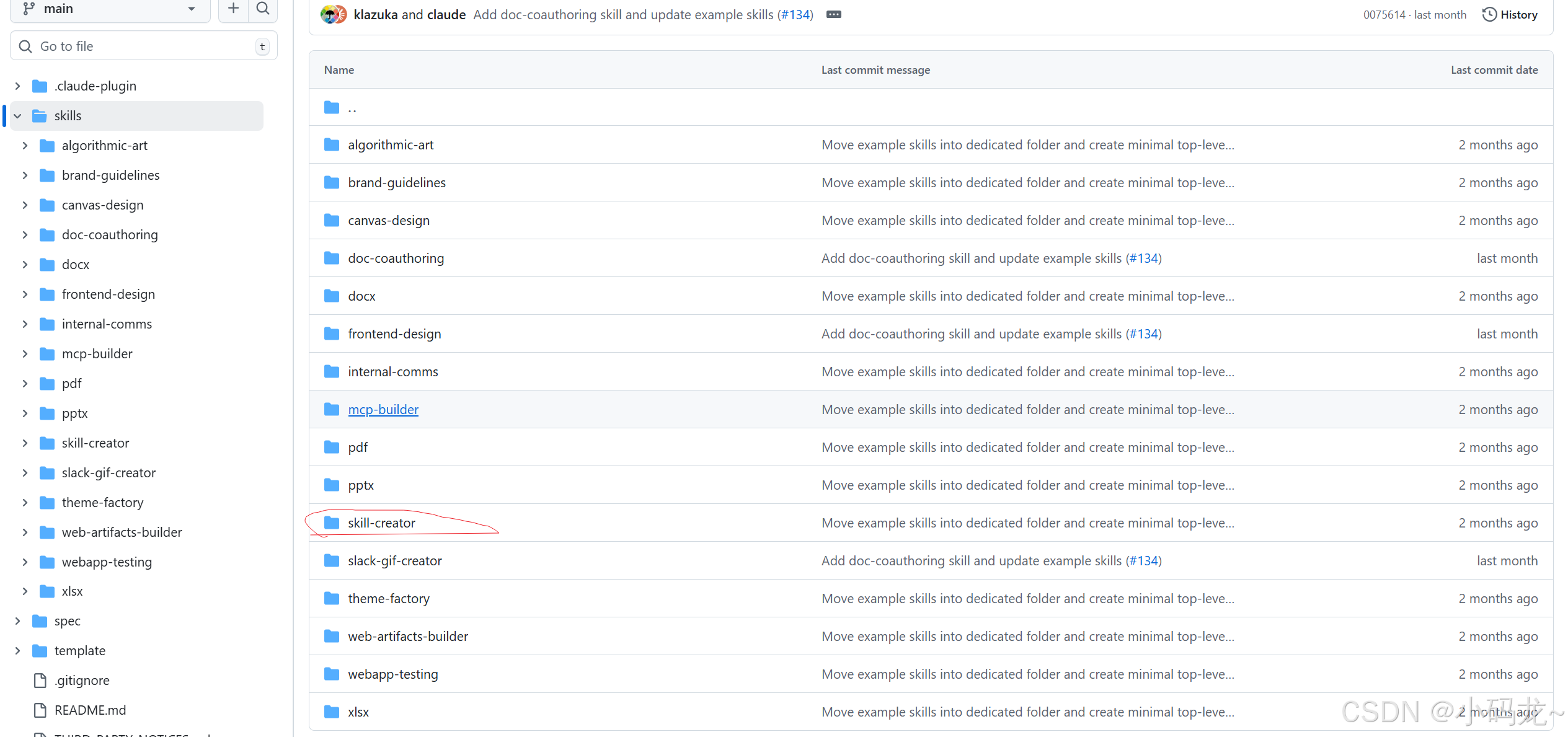
1.下载官方提供的agent-skills文档
链接:github:https://github.com/anthropics/skills
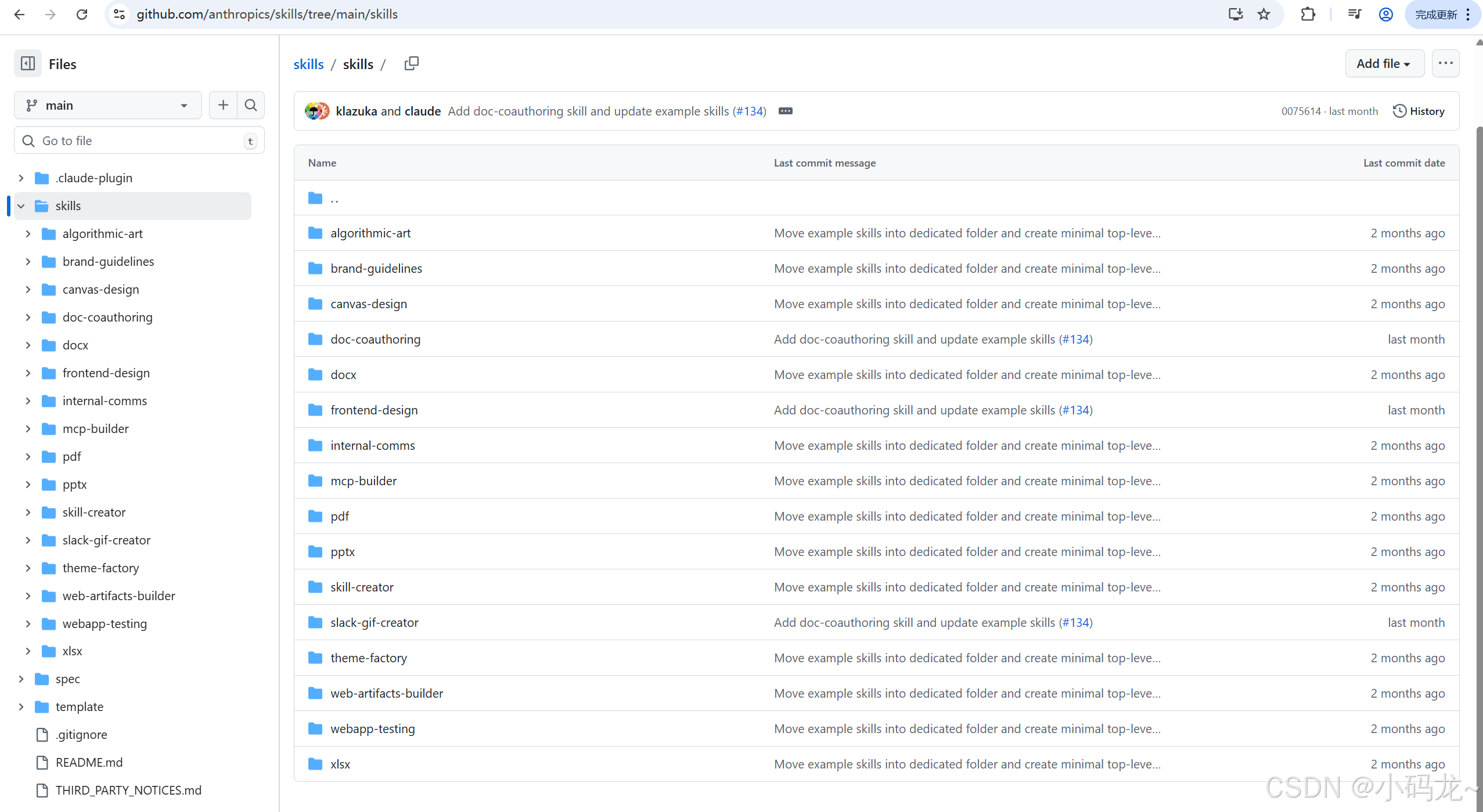
2.cursor中使用
在cursor中新建.cursor目录加skills目录,把从Github上下载的skills拷贝到该目录下。上
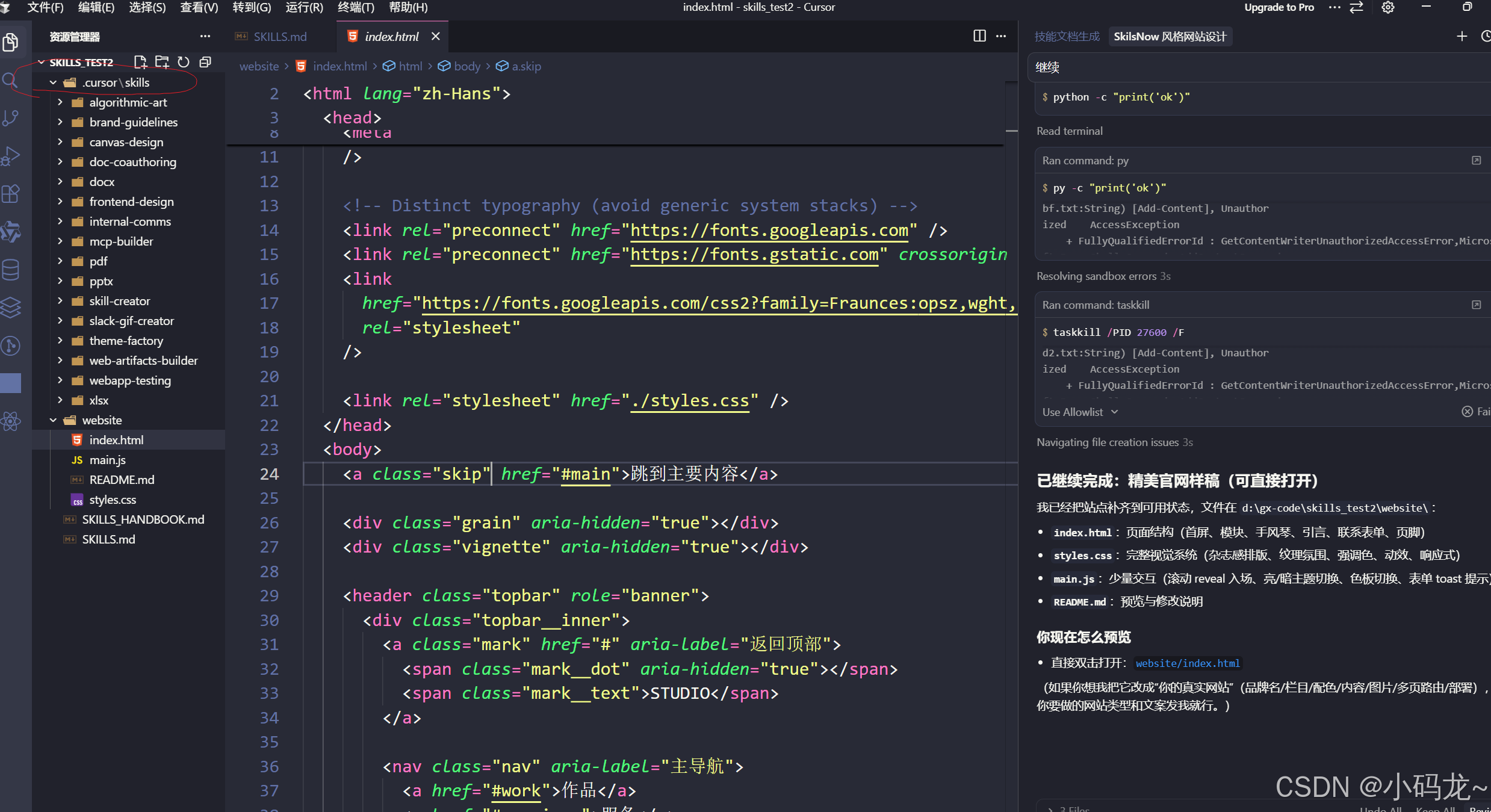
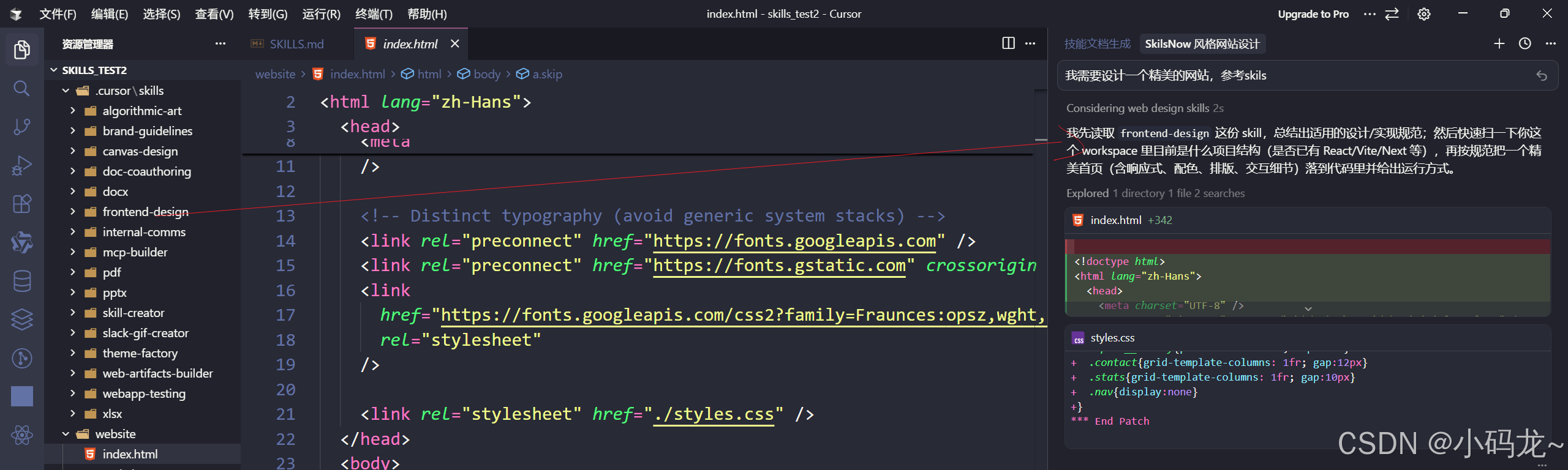
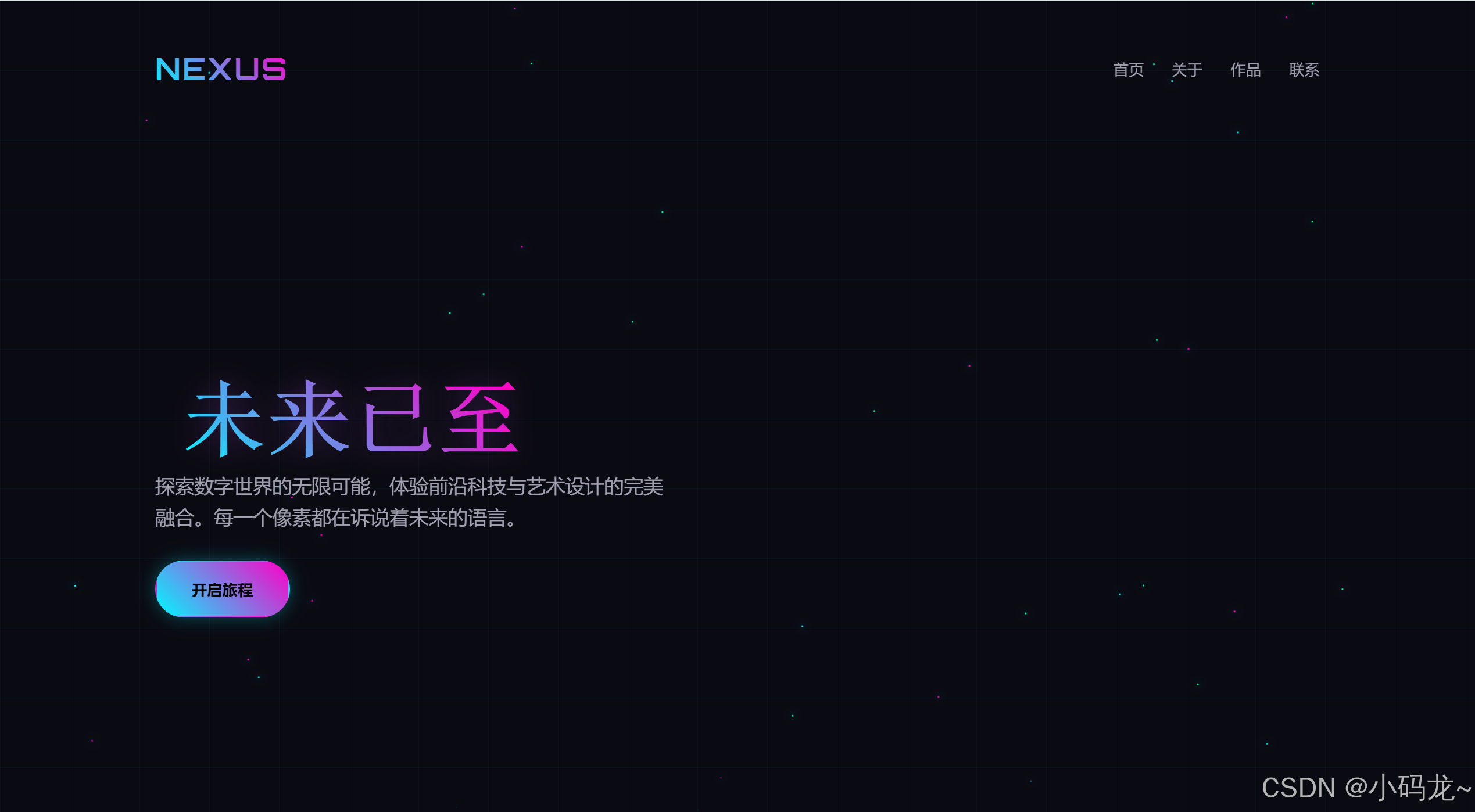
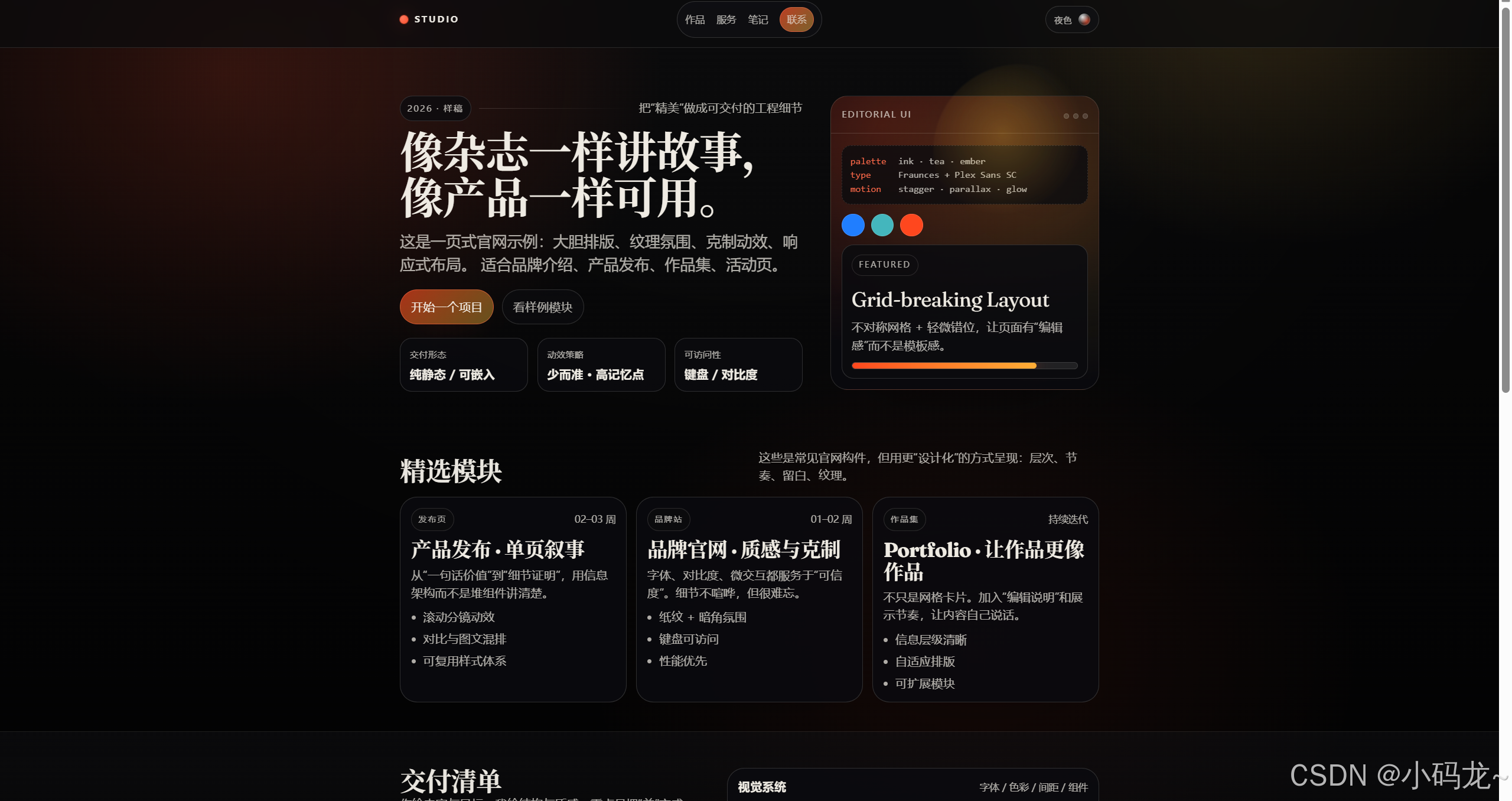
这是参考frontend-design这个skills来设计的网站,会发现精美许多。
三、如何设计自己的skills
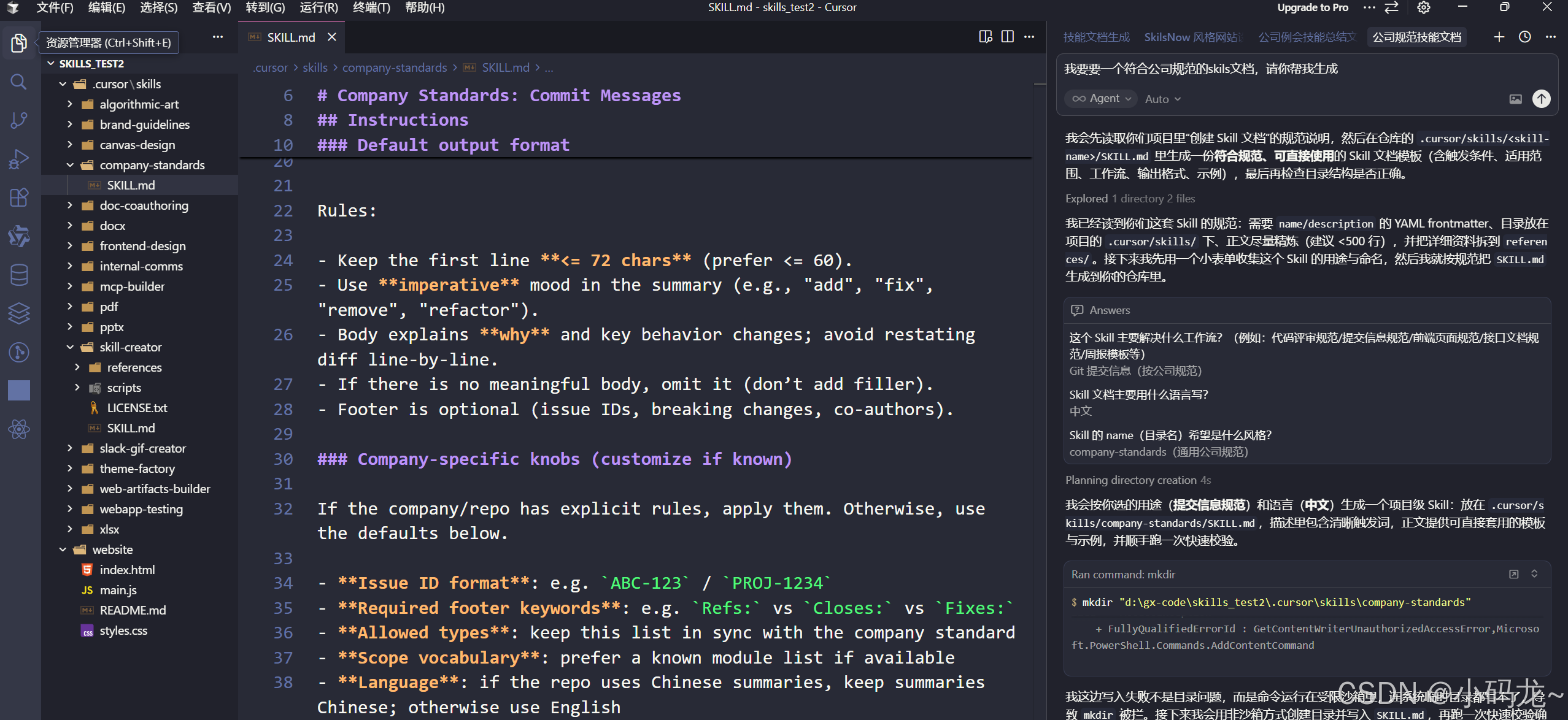
通过别人提供好的skils文档来生成
在cursor中输入提示词,cursor会自动扫描你文件下的skill.md文档进行生成。
四、实战:打造一个“生成标准 React 组件”的 Skill
假设我们团队有一个严格的组件开发规范:
- 组件必须是 Function Component。
- 必须使用 CSS Modules。
- 必须包含一个
interface定义 Props。 - 文件结构必须是文件夹形式。
我们来写一个 Skill 教会 Cursor 怎么做。
第一步:创建目录
在你的项目根目录下(或者全局 ~/.cursor/skills),创建一个存放技能的文件夹:
.cursor/
  skills/
    react-component-gen/  <-- 技能名称文件夹
      SKILL.md            <-- 核心定义文件
第二步:编写 SKILL.md
这是核心部分。SKILL.md 包含两部分:Frontmatter (元数据) 和 Markdown 正文 (指令)。
在 .cursor/skills/react-component-gen/SKILL.md 中写入:
---
name: react-component-gen
description: Generate a new React functional component with CSS Modules and TypeScript interfaces following team standards.
disable-model-invocation: false
---

# React Component Generator

Use this skill when the user asks to create a new UI component, page, or widget.

## [...](asc_slot://start-slot-9)Instructions

1.  **Analyze the Request**: Identify the component name and props required.
2.  **Directory Structure**:
    - Create a folder named exactly as the component (PascalCase).
    - Inside, create `index.tsx` and `styles.module.scss`.

3.  **Code Standards**:
    - **index.tsx**:
      - Use `FC` type from 'react'.
      - Import styles as `import styles from './styles.module.scss'`.
      - Define an interface `[ComponentName]Props`.
      - Export the component as default.
    - **styles.module.scss**:
      - Create a root class `.container`.
      - Use BEM naming convention for inner elements if needed.

## [...](asc_slot://start-slot-11)Template Example

If the user asks for a "Button", generate:

```tsx
// Button/index.tsx
import React, { FC } from 'react';
import styles from './styles.module.scss';

export interface ButtonProps {
  label: string;
  onClick: () => void;
}

const Button: FC<ButtonProps> = ({ label, onClick }) => {
  return (
    <button className={styles.container} onClick={onClick}>
      {label}
    </button>
  );
};

export default Button;
### [...](asc_slot://start-slot-13)第三步:启用并使用

1.  **启用**:确保你的 Cursor 是较新版本(部分功能可能在 Beta/Nightly 通道)。打开设置 -> `Rules` 或 `Features`,确保 Agent Skills 相关的开关已打开。
2.  **自动触发**:
    *   打开 Cursor 的 Agent 聊天框(CMD+L 或 CMD+K)。
    *   输入:“帮我写一个 UserCard 组件,包含头像和名字。”
    *   你会发现 Agent 会自动识别意图,加载 `react-component-gen` 技能,并严格按照你的模板生成代码!
3.  **手动触发**:
    *   输入 `/`,你应该能看到 `react-component-gen` 出现在命令列表中。

## [...](asc_slot://start-slot-15)进阶玩法:带脚本的 Skill (自动化重构)

前端经常需要做一些批量重构,比如“找出所有硬编码的颜色并替换为 Tailwind 类名”。我们可以给 Skill 配上脚本。
.cursor/skills/refactor-color/
SKILL.md
scripts/
find-hex.js <-- 一个扫描文件的脚本
**SKILL.md**:
```markdown
---
name: refactor-color
description: Refactor hardcoded hex colors to Tailwind utility classes.
---

# Color Refactoring

## [...](asc_slot://start-slot-17)Instructions
1. Run the script `scripts/find-hex.js` to locate hex codes in the current file.
2. For each hex code found, map it to the closest Tailwind color (e.g., `#ef4444` -> `text-red-500`).
3. Rewrite the code.
这样,AI 就不只是在“瞎猜”,而是真正执行了你写的工具脚本来辅助它工作。
总结:为什么你应该开始用 Skills?
- 团队规范统一:把这个
.cursor文件夹提交到 Git 仓库,新入职的同事git pull下来,他的 AI 助手立刻学会了全套团队规范,不用手把手教。 - 减少上下文污染:只在写组件时加载组件规范,写测试时加载测试规范,让 AI 的脑子更清醒。
- 沉淀最佳实践:把那些你每次都要重复敲的 Prompt,固化成代码资产。
💡 个人心得:
不要试图把所有东西都塞进 .cursorrules。把 .cursorrules 当作宪法(不可动摇的原则),把 Agent Skills 当作SOP 手册(针对具体任务的流程)。
快去试试在你的项目里加一个 Skill 吧!如果你有更好玩的 Skill 创意(比如自动写 Code Review 意见),欢迎在评论区分享!👇

有“AI”的1024 = 2048,欢迎大家加入2048 AI社区
更多推荐

 11
11 0
0- 0


 已为社区贡献5条内容

所有评论(0)