【上海晶珩睿莓 1 单板计算机】车牌识别
本文介绍了上海晶珩睿莓 1 单板计算机结合 LPRNet 算法和 Ultralytics 库实现车牌识别的项目设计,包括环境搭建、预训练模型、工程代码和效果演示等,为相关产品在边缘 AI 领域的快速开发和应用设计提供了参考。
【上海晶珩睿莓 1 单板计算机】车牌识别
本文介绍了上海晶珩睿莓 1 单板计算机结合 LPRNet 算法和 Ultralytics 库实现物车牌识别的项目设计,包括环境部署、软件包安装、模型获取、关键代码以及板端推理等相关流程。
项目介绍
- 准备工作:OpenCV 安装、Ultralytics 软件包安装、预训练模型下载等;
- 车牌识别:采用 LPRNet 算法及 ONNX 模型实现车牌识别的板端推理;
为了快速实现图像分类,需完成 OpenCV 部署和 Ultralytics 软件包的安装等操作。
准备工作
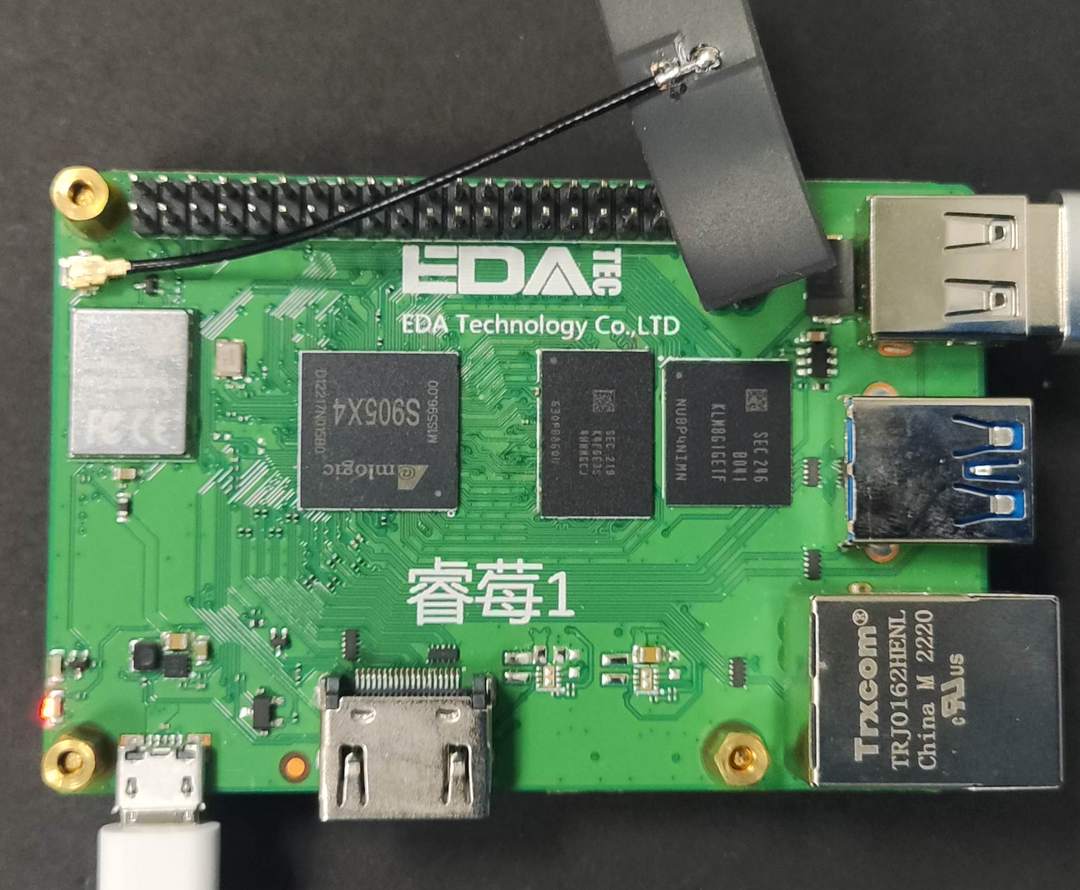
包括硬件连接、虚拟环境创建、OpenCV 安装、Ultralytics 库部署等。
硬件连接
- 连接 WiFi 实现无线网络通信;
- 使用 Micro-USB 数据线实现设备供电;
OpenCV 安装
OpenCV 是一个开源的计算机视觉库,广泛应用于图像处理、视频分析和机器学习等领域。

- 安装 numpy 和 opencv
pip install -U pip numpy                          # 安装 numpy
pip install opencv-python opencv-contrib-python   # opencv 主模块及 contrib
- 验证安装
python3 -c "import cv2,sys,numpy;print('OpenCV:',cv2.__version__,'NumPy:',numpy.__version__)"
- 输出版本号
详见:OpenCV .
字体安装
为了方便显示中文车牌,安装 CJK 字体
sudo apt install fonts-noto-cjk
fc-list | grep -i "Noto Sans CJK" | head -3
记录字体所在路径,如 /usr/share/fonts/opentype/noto/NotoSansCJK-Regular.ttc 以便调用。
Ultralytics 部署
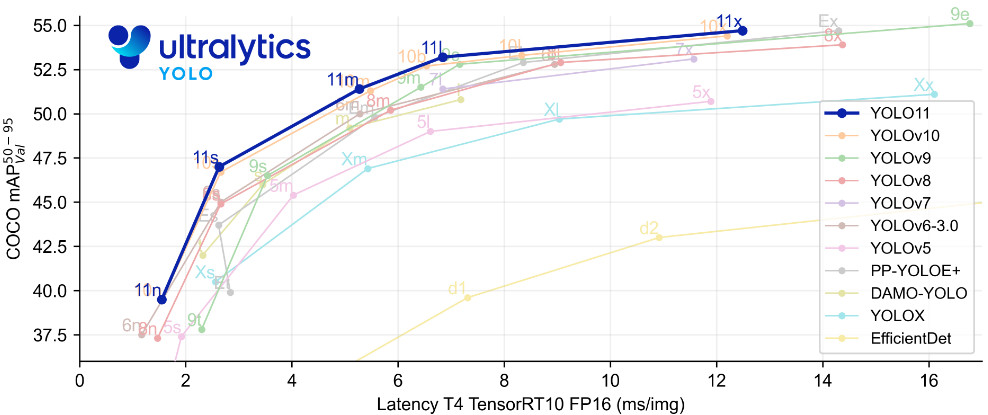
Ultralytics 基于多年在计算机视觉和人工智能领域的基础研究,打造出尖端、先进的 YOLO 模型;具有 速度快、精度高、操作简便 等特点。
在目标检测、跟踪、实例分割、图像分类 和 姿态估计 等任务中表现出色。
- 安装 ultralytics 软件包
sudo apt install python3-dev python3-pip libopenblas-dev
sudo pip install python3-torch
sudo pip install ultralytics
- 验证安装
python3 -c "import ultralytics, sys, torch; print('✅ ultralytics', ultralytics.__version__, '| torch', torch.__version__, '| Python', sys.version.split()[0])"
- 输出相应版本号
详见:ultralytics .
车牌识别
车牌识别网络(License Plate Recognition Network,LPRNet)是一种专为车牌识别设计的深度学习模型。
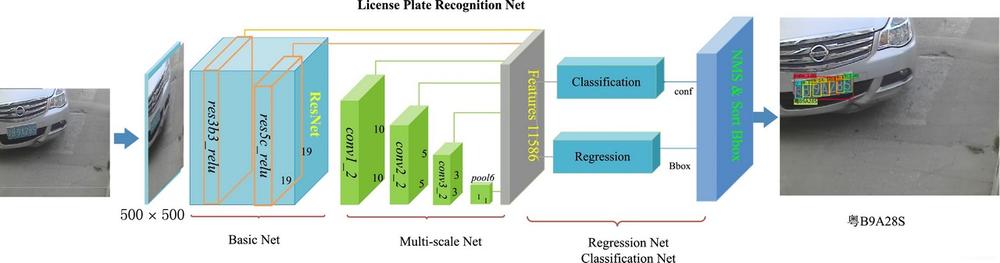
它采用端到端的训练方法,能够直接从原始图像中识别出车牌文本,无需进行传统的字符分割步骤。
这种设计使得 LPRNet 在处理车牌识别任务时更加高效和准确,特别是在面对复杂背景或不同国家的车牌样式时。
详见:LPRNet GitHub .
模型
下载所需模型文件;
wget https://github.com/h030162/PlateRecognition/blob/main/ocr_rec.py
wget https://github.com/h030162/PlateRecognition/blob/main/license_models/dict.txt
wget https://github.com/h030162/PlateRecognition/blob/main/license_models/license_ocr.onnx
wget https://github.com/h030162/PlateRecognition/blob/main/license_models/y11n-pose_plate_best.onnx
将文件存放在对应路径
license_plate_recognition
   ├── img
   │   ├── yue.jpg
   ├── lpr_onnx.py
   ├── model
   │   ├── dict.txt
   │   ├── license_ocr.onnx
   │   └── y11n-pose_plate_best.onnx
   └── ocr_rec.py
参考:PlateRecognition | Github .
流程图
代码
终端执行 touch lpr_onnx.py 新建程序文件,并添加如下代码
#!/usr/bin/env python
# -*- coding: utf-8 -*-
import numpy as np
import cv2
from ocr_rec import TextRecognizer, init_args
from PIL import Image, ImageDraw, ImageFont
from ultralytics import YOLO
import warnings
warnings.filterwarnings("ignore")

# ========== figure ==========
#IMG_FILE = "./img/yue.jpg"
args = init_args().parse_args()
IMG_FILE = args.image_path or './img/test.jpg'   # image path
# 使用方法:python lpr_onnx.py --image_path ./img/jing.jpg

# =========== class ===========
class PlateRecognizer:
    def __init__(self, det_model_path="./model/y11n-pose_plate_best.onnx"):
        self.model_det = YOLO(det_model_path)
        parser = init_args().parse_args()
        self.model_ocr = TextRecognizer(parser)

    def recognize(self, img):
        plate_objs = []
        plates = self.model_det(img, verbose=False)
        for plate, conf in zip(plates[0].boxes.xyxy, plates[0].boxes.conf):
            x1, y1, x2, y2 = map(int, plate.cpu())
            plate_img = img[y1:y2, x1:x2]
            try:
                rec_res, _ = self.model_ocr([plate_img])
            except Exception as E:
                print(E)
                continue
            if len(rec_res[0]) > 0:
                plate_objs.append({
                    'text': rec_res[0][0],
                    'score_text': rec_res[0][1],
                    'bbox': [x1, y1, x2, y2],
                    'score_bbox': conf.cpu().numpy().item()
                })
        return plate_objs

def DrawPlateNum(img, plate_num, x1, y1):
    img_rgb = cv2.cvtColor(img, cv2.COLOR_BGR2RGB)
    img_pil = Image.fromarray(img_rgb)
    draw = ImageDraw.Draw(img_pil)
    font = ImageFont.truetype("/usr/share/fonts/opentype/noto/NotoSansCJK-Regular.ttc", 40) # 系统字体

    # -------- 优化标签显示,增加填充背景,兼容新版 Pillow ----------------
    left, top, right, bottom = draw.textbbox((0, 0), plate_num, font=font)
    tw, th = right - left, bottom - top
    # 蓝色填充条
    draw.rectangle([(x1, y1 - th - 8), (x1 + tw, y1)], fill=(0, 0, 255))   # BGR 蓝色
    # 绿色文字
    draw.text((x1, y1 - th - 16), plate_num, font=font, fill=(0, 255, 0))   # BGR 绿色

    return cv2.cvtColor(np.array(img_pil, dtype=np.uint8), cv2.COLOR_RGB2BGR)

# ========== 主程序 ==========
def main():
    img = cv2.imread(IMG_FILE)
    if img is None:
        print(f"未找到图片:{IMG_FILE}")
        cv2.waitKey(0)
        return

    recognizer = PlateRecognizer()
    plates = recognizer.recognize(img)

    for p in plates:
        x1, y1, x2, y2 = p['bbox']
        cv2.rectangle(img, (x1, y1), (x2, y2), (255, 0, 0), 2)
        img = DrawPlateNum(img, p['text'], x1, y1)
        print(f"车牌: {p['text']}  置信度: {p['score_text']:.4f}  框置信度: {p['score_bbox']:.4f}")

    cv2.imshow("LPR", img)
    cv2.waitKey(0)
    cv2.destroyAllWindows()

if __name__ == "__main__":
    main()
保存代码。
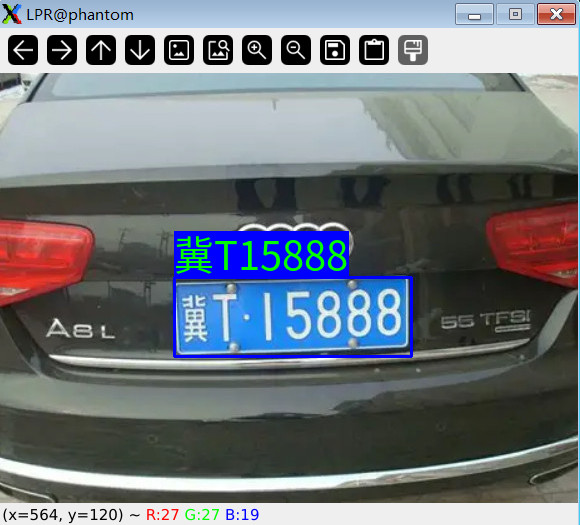
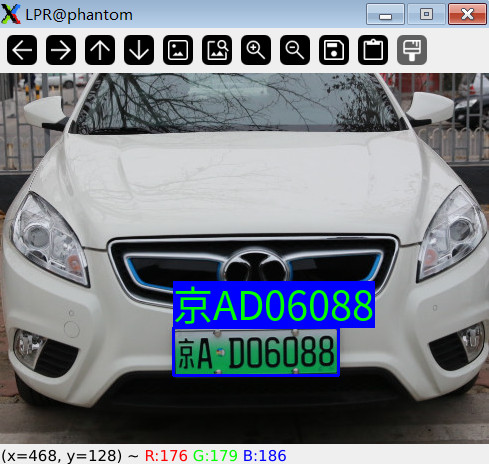
效果
- 终端执行
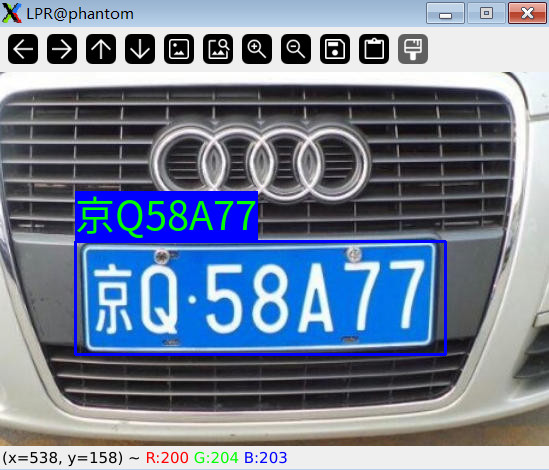
python lpr_onnx.py --image_path ./img/jing.jpg指令,对目标车牌进行识别 - 终端打印识别到的车牌号、置信度等信息

- 弹窗显示识别结果
- 更多测试效果
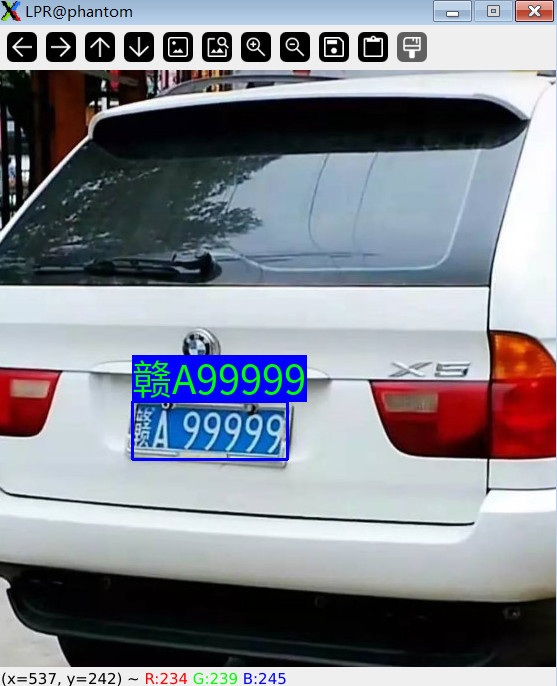
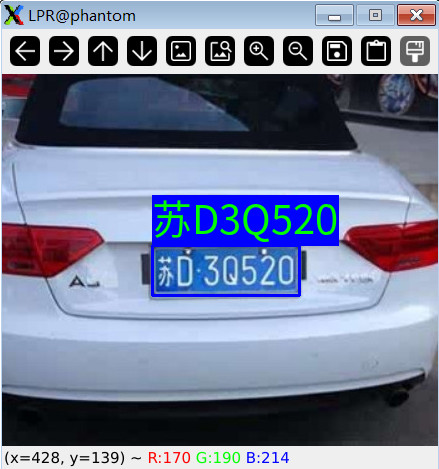
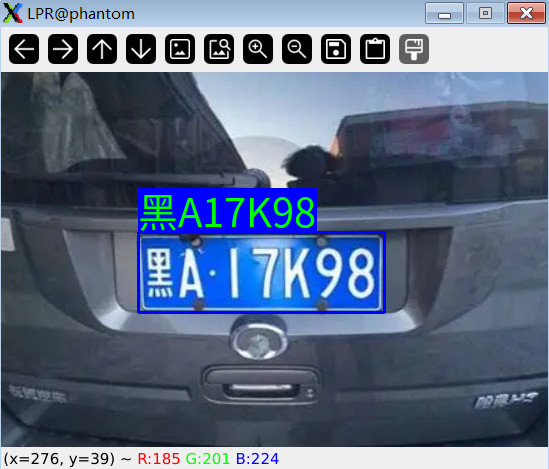
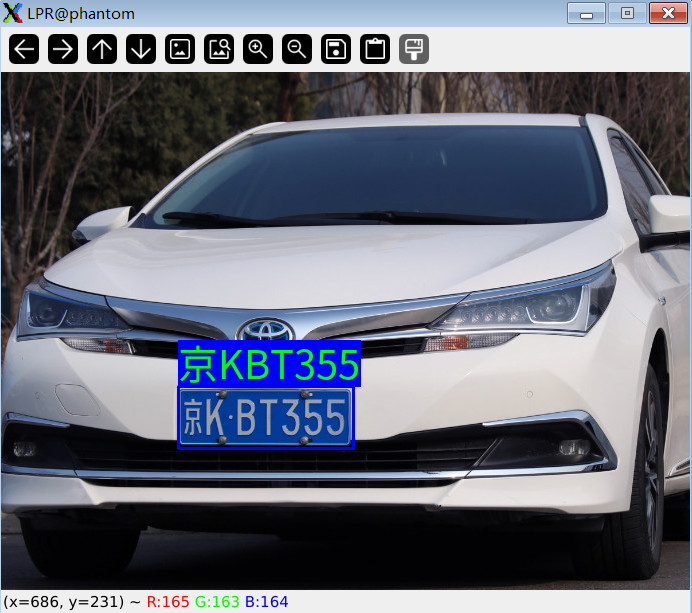
总结
本文介绍了上海晶珩睿莓 1 单板计算机结合 LPRNet 算法和 Ultralytics 库实现车牌识别的项目设计,包括环境搭建、预训练模型、工程代码和效果演示等,为相关产品在边缘 AI 领域的快速开发和应用设计提供了参考。

有“AI”的1024 = 2048,欢迎大家加入2048 AI社区
更多推荐

 31
31 0
0- 0


 已为社区贡献13条内容

所有评论(0)