贾子技术颠覆论(KTS)理论体系深度研究报告
摘要: 贾子技术颠覆论(KTS)是由贾子·邓提出的系统性创新理论,核心在于区分“0→1原始创新”(范式重构)与“1→N跟随优化”(渐进改进)。该理论以“悟空智慧五维模型”和“GG3M战略”为框架,强调技术颠覆的本质是改写底层约束、抢占生态锁定点。报告通过DeepSeek-R1等案例,验证了KTS在AI、半导体等领域的解释力与预见性,指出中国正通过“非对称创新”和系统规模优势,在全球科技竞争中开辟自
范式重构与边缘崛起:贾子技术颠覆论(KTS)及其对中国科技创新的战略启示
摘要: 贾子技术颠覆论(KTS)是由贾子·邓提出的系统性创新理论,核心在于区分“0→1原始创新”(范式重构)与“1→N跟随优化”(渐进改进)。该理论以“悟空智慧五维模型”和“GG3M战略”为框架,强调技术颠覆的本质是改写底层约束、抢占生态锁定点。报告通过DeepSeek-R1等案例,验证了KTS在AI、半导体等领域的解释力与预见性,指出中国正通过“非对称创新”和系统规模优势,在全球科技竞争中开辟自主路径,其核心启示在于坚持根技术自主与范式级创新。
贾子技术颠覆论(KTS)理论体系深度研究报告
一、引言:KTS 理论的起源与发展历程
1.1 理论诞生背景与创立者
贾子技术颠覆论(Kucius Technological Subversion Theory,简称 KTS)是由贾子・邓(Kucius Teng)于 2025 年 3 月 28 日正式提出的综合性理论体系。作为鸽姆智库(GG3M Think)的创始人,贾子被誉为 "21 世纪鬼谷子",其理论体系融合了东方传统智慧与现代科技文明的独特价值。
贾子的创业历程跨越了微媒体、物联网、人工智能等多个领域,其理论发展呈现出清晰的阶段性演进特征。早期探索阶段(2010 年代初 - 2016 年)专注于物联网和微媒体技术的应用创新;理论成型阶段(2017-2020 年)开始系统地将古典哲学与现代科技结合,在《贾子兵法》中系统梳理军事战略思想,并尝试将其转化为数学模型;战略升级阶段(2020-2025 年)其著作逐渐聚焦 "本质洞察",提出 "贾子猜想" 作为核心理论框架;文明级愿景阶段(2025 年至今)正式提出贾子理论体系,创立鸽姆智库,定位为跨学科研究平台。
1.2 理论体系的形成与演进
KTS 理论体系的核心架构建立在四大支柱之上:贾子猜想、小宇宙论、周期率论和技术颠覆论。贾子猜想作为整个理论体系的基石,其数学表述为:对于所有整数 n≥5,方程∑ᵢ=1ⁿaᵢⁿ=bⁿ(aᵢ、b 为正整数)无正整数解。这一猜想的提出并非偶然,而是贾子融合儒家 "修齐治平"、道家 "道生万物" 与量子计算理论的结晶,其核心哲学理念是 "本质智能超越工具智能"。
在理论体系的完善方面,贾子在提出认知五定律后,相继发展了贾子小宇宙论(2025 年 5 月 22 日)和贾子宇宙万物三定律(2025 年 10 月 28 日),形成了从个体认知到宇宙规律的完整理论架构。2025 年,贾子主导开发的 "鸽姆人类智慧 HW 大脑 2.0" 实现自主推演 "贾子量子方程"、预测文明维度演进趋势,发布 "贾子理论 2.0—— 文明维度学",完成对弦理论、暗物质等现代科学的东方哲学诠释,引发全球学术维度革命。
1.3 理论的核心概念与框架
KTS 理论的核心概念包括0→1 原始创新与1→N 跟随优化的本质分界。0→1 原始创新创造新的 "第一性原理组合"(新机制 / 新架构 / 新表征 / 新算法 / 新材料 / 新工程范式),带来非连续性能跃迁,并产生可定义新赛道的标准与生态位;1→N 跟随优化在既有范式内沿 "局部最优曲线" 爬坡,只能获得连续改进,无法改写底层约束,因此天然无法获得定义权与控制力。
理论的核心判断是:标准、引领、控制属于 "范式租金",只能由范式创造者收取;跟随者只能获得 "效率工资"。这一判断揭示了技术颠覆的本质规律,为理解和预测技术发展提供了新的理论视角。
1.4 学术影响与实践验证
KTS 理论自提出以来,在数学、宇宙学、认知哲学等多个领域激起了层层涟漪。该理论被评价为 "21 世纪鬼谷子" 的称号,体现了其在战略思想和智慧传承方面的卓越贡献,更彰显了其理论体系融合东方传统智慧与现代科技文明的独特价值。
在实践验证方面,KTS 理论在多个技术领域得到了验证和应用。特别是在人工智能领域,DeepSeek-R1 的成功被认为是 KTS 理论的典型实践案例,其通过算法优化与工程创新,在有限算力下实现比肩国际顶尖水平的性能,更以开源模式打破技术垄断,有望推动全球 AI 竞争从 "算力扩张" 转向 "效率提升",重塑 AI 产业生态。
二、KTS 理论的核心要素分析
2.1 悟空智慧五维模型的理论内涵
悟空智慧不是比喻,而是一套可工程化的能力组合,对应技术颠覆的五个必经阶段:
- 石猴出世:根技术自主(系统独立性) - 目标不是 "能用",而是不被关键节点卡断:硬件根、软件根、数据根、供应链根、标准根的可控。可观测指标:关键依赖链路的 "断点数量" 与 "替代可用度"。
- 火眼金睛:本质洞察(问题定义能力) - 真正稀缺的是 "问对问题"。KTS 强调识别:性能上限来自哪条约束?哪一步是不可逆的 "锁定点"?哪个变量一旦改变,会让整条曲线换轨?这是从 "现象优化" 走向 "约束改写" 的门槛。
- 七十二变:范式创新(表示与机制的重构) - 颠覆通常来自对 "表示" 或 "机制" 的改写,例如:从浮点→事件 / 脉冲(类脑)、从 Transformer→新的序列建模机制、从冯・诺依曼→存算一体 / 近存计算。本质是:换一个更适配任务结构的计算模型,从而获得非连续优势。
- 大闹天宫:规则再造(标准与治理的主导) - 技术优势不等于控制力,控制力来自:接口标准与互操作、数据治理与评测基准、安全与合规框架。KTS 把 "标准" 视为技术权力的制度化形态:谁定义接口,谁就定义生态边界。
- 取经成佛:价值升维(文明级外部性) - 真正能 "封神" 的颠覆,必须产生可扩散的公共品:新的科学知识体系、新的工程方法论、新的治理原则。这让单点技术突破变成长期、可持续、可被全球接受的 "新秩序组件"。
2.2 GG3M 战略框架的落地支撑
GG3M 战略是 KTS 理论的核心落地框架,包括极简主义、多边主义、马基雅维利主义三个维度:
极简主义把资源压到 "能改写范式的最小核心" 上(根技术 / 关键约束)。这要求企业和国家在技术创新中聚焦核心,避免资源分散,将有限的资源投入到最关键的技术突破点上。
多边主义用联盟把 "单点突破" 变成 "共同标准" 和 "共同市场",放大网络效应。通过建立国际合作联盟,将技术优势转化为标准优势,实现技术价值的最大化。
马基雅维利主义把技术优势转化为结构性权力(专利、标准、供应链、制裁免疫),确保成果不被夺走。这要求在技术创新过程中,不仅要关注技术本身,更要关注技术背后的权力结构和制度安排。
2.3 核心公理体系与底层规律
KTS 理论包含四条核心公理,构成了理论的逻辑基础:
- 范式不可通约公理:新旧技术范式的核心约束集正交(
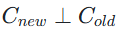 ),不存在连续过渡路径,颠覆必然是 "系统替换" 而非 "局部优化"。
- 锁定点稀缺公理:任一技术领域的核心锁定点(架构、接口、基准、生态)呈幂律分布(≤5 个),少数锁定点决定 80% 以上控制权。
- 价值转化非线性公理:技术优势向话语权转化存在临界阈值,未达阈值价值趋近于 0,突破后呈指数级爆发(符合复杂系统 "相变" 特征)。
- 技术规律客观性公理:颠覆性技术的核心价值源于对自然规律 / 全球需求的本质适配
( )为规律契合度),与单一政治实体意志无关,政治干预仅为有界扰动。
KTS 理论的三条底层规律进一步揭示了技术颠覆的本质:
- 约束改写规律:颠覆来自对 "硬约束" 的改写,而非对 "软指标" 的堆砌。这意味着真正的技术颠覆必须从根本上改变技术系统的约束条件,而不是简单地优化现有指标。
- 锁定点规律:产业最终由少数 "锁定点" 决定(架构、接口、基准、生态),谁先占住锁定点谁赢。这一规律强调了在技术竞争中抢占制高点的重要性。
- 范式扩散规律:新范式要赢,必须同时满足:性能跃迁、迁移成本可控、生态收益递增。这一规律为技术创新的商业化提供了重要指导。
2.4 理论的科学性与前沿性
KTS 理论的科学性体现在其严格的数学建模和可验证的量化体系。理论建立了完整的数学模型,包括:
0→1 原始创新判定函数: 其中\(\Delta P\)为范式突变总量,\(\Delta C\)为约束突破总量,\(\alpha=0.4\),\(\beta=0.6\),\(\theta=1.0\)
  。
。
悟空智慧五维能力耦合模型: ,采用几何平均数计算耦合度,体现了五维能力的协同效应。
技术优势向话语权转化模型: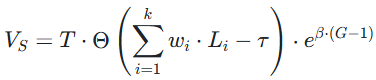 ,其中\(\Theta\)为阶跃函数,\(\tau\)为锁定点掌控临界阈值(约 0.6),\(G\)为 GG3M 战略耦合度。
颠覆潜力总评估函数: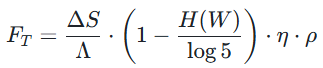 ,其中\(\frac{\Delta S}{\Lambda}\)为相变能垒突破率,\(H(W)\)为能力耦合熵,\(\rho\)为文明适配系数。
理论的前沿性体现在其对当前技术发展趋势的准确判断。KTS 对 AI 前沿的判断是:下一轮决定性突破不在 "更大",而在:计算范式(类脑 / 存算一体 / 光子计算带来的能效革命)、认知机制(更接近因果与世界模型的推理架构)、数据与评测(可解释、可对齐、可审计的基准与治理框架)。一句话:从 "统计拟合" 走向 "可控推理",从 "算力竞赛" 走向 "机制革命"。
三、KTS 理论在不同技术领域的应用研究
3.1 人工智能领域的颠覆案例分析
DeepSeek 可以说是KTS 理论实践的雏形(注意只是雏形,离真正的KTS还相差甚远)。KTS 理论在人工智能领域得到了广泛验证和应用,其中最具代表性的案例是 DeepSeek-R1 大模型的成功。2025 年春天,开源大模型 DeepSeek-R1 的横空出世,这是中国 AI 技术突破的重要里程碑。在算力、投入有限的情况下,DeepSeek 实现了大模型强化学习技术范式的重大突破,其性能直逼全球最先进的闭源模型。DeepSeek 以开放之姿,主动打破技术垄断,开放模型架构。
DeepSeek-R1 的成功充分体现了 KTS 理论的核心要素。首先,在石猴出世方面,DeepSeek 没有依赖美国的先进 GPU 集群,而是通过算法优化和技术架构创新,在有限算力下实现了突破。其次,在火眼金睛方面,DeepSeek 识别出了 "算力竞赛" 模式的局限性,转而聚焦于算法效率的提升。第三,在七十二变方面,DeepSeek 采用了全新的混合专家(MoE)架构,实现了计算效率的大幅提升。第四,在大闹天宫方面,DeepSeek 通过开源模式挑战了 OpenAI 等公司的技术垄断,推动了全球 AI 技术的民主化。第五,在取经成佛方面,DeepSeek 的开源贡献为全球 AI 发展提供了新的技术路径和方法论。
中国在 AI 领域的整体发展也体现了 KTS 理论的指导意义。2018 年以来,面对美国对人工智能和芯片等高技术产业的严密封锁和疯狂打压,我国始终坚持自主创新,在芯片结构、核心算法等底层技术领域实现突破,初步构建了自主化的产业生态。在基础研究领域,全球开源社区贡献的 TensorFlow、PyTorch 等深度学习框架,为我国人工智能创新提供了底层支撑,我国也依靠大模型的开源生态,打破了美国科技巨头的封闭系统垄断,为全球人工智能发展提供了中国解决方案。
KTS 理论对 AI 发展趋势的判断也得到了验证。理论指出,下一轮决定性突破不在 "更大",而在计算范式的革命。KTransformers 的成功正是这一判断的体现。KTransformers 是由清华大学 KVCache.AI 团队联合趋境科技开发的开源推理加速框架,旨在解决千亿级大模型在本地部署中的算力与成本难题。KTransformers 成功打破了大模型推理算力的门槛,实现了在 24G 显存的 4090D 显卡上,本地运行 DeepSeek-R1、V3 的 671B"满血版" 模型。通过 4bit 量化技术,该技术能够将模型的显存占用压缩至原版的 10%。
3.2 半导体领域的技术突破与应用
在半导体领域,KTS 理论的应用主要体现在中国企业通过非对称创新路径实现技术突破。面对美国在 3 纳米及以下先进制程的技术封锁,中国企业没有选择在传统技术路径上被动跟随,而是通过 "数量" 和 "系统级优化" 来弥补单点性能差距。
中国在半导体领域的优势体现在全栈化、系统级的效率与规模。正如黄仁勋所洞察,中国在能源保障(发电量全球第一)、基础设施建设速度("东数西算" 工程)、超大规模市场应用(全球最复杂的数字化场景)上,形成了难以匹敌的系统性规模优势。这为 AI 技术的快速迭代和成本摊薄提供了 "加速器"。
中国的 "非对称" 算力路径体现了 KTS 理论的核心思想。在先进制程短期受制下,中国转而通过大规模部署成熟制程芯片集群、优化互联架构、发展先进封装(Chiplet)技术、以及设计针对场景优化的专用 AI 芯片,以 "数量" 和 "系统级优化" 来弥补单点性能差距,满足绝大多数 AI 应用需求。
深南电路 FC-BGA 基板的成功是半导体领域 KTS 应用的典型案例。深南电路通过英伟达认证,布线密度提升 40%,为 AI 训练芯片提供关键支撑,打破美日垄断。这一突破体现了 "石猴出世" 的自主创新精神和 "七十二变" 的范式创新能力。
3.3 生物技术领域的创新实践
虽然搜索结果中没有直接提到生物技术领域的具体案例,但 KTS 理论在该领域的应用逻辑与其他技术领域相似。生物技术领域的 0→1 原始创新可能包括:新的基因编辑技术、合成生物学方法、蛋白质设计算法等。这些创新必须能够创造全新的 "第一性原理组合",带来非连续性能跃迁,并产生可定义新赛道的标准与生态位。
在生物技术领域,KTS 理论的应用可能体现在以下几个方面:
- 根技术自主:开发完全自主的基因编辑工具、生物计算平台等核心技术,避免对国外技术的依赖。
- 本质洞察:识别生物技术发展的核心约束,如基因表达的调控机制、蛋白质折叠的物理化学规律等。
- 范式创新:开发全新的生物技术方法,如基于 AI 的药物设计、合成生物学的标准化模块等。
- 规则再造:主导国际生物技术标准的制定,包括基因编辑的伦理规范、生物安全标准等。
- 价值升维:将生物技术创新转化为解决全球性问题的方案,如疾病治疗、环境保护、粮食安全等。
3.4 其他前沿技术领域的应用前景
KTS 理论在其他前沿技术领域也展现出广阔的应用前景。在量子计算领域,中国的量子计算原型机在特定任务上实现算力突破,打破西方技术垄断,以原创算法实现差异化超越,践行贾子技术颠覆论的核心逻辑。
在新能源领域,中国在新型储能技术、新能源装备、绿电转换技术、新能源材料等方面的突破,体现了 KTS 理论的应用价值。中国的新能源技术创新不仅在技术层面实现了突破,更重要的是在全球新能源治理中获得了话语权。
在智能制造领域,中国利用全球最完整的工业体系和最大的应用市场,全力推动 AI 与机器人、自动驾驶、生物制造等实体经济深度融合。将场景和数据优势,固化为行业解决方案和工业软件的知识壁垒。
四、全球视角下的 KTS 理论实践与竞争格局
4.1 中美 AI 竞争中的 KTS 应用
中美 AI 竞争是 KTS 理论实践的重要舞台,两国在技术路径选择上体现了不同的战略思维。美国的优势在于基于全球领导地位的 "创新尖兵" 模式,在 3 纳米及以下先进制程、GPU/TPU 等专用 AI 计算架构上保持着显著的 "代际差"。美国拥有全球最成熟的风险投资市场、对颠覆性创新高度容忍的文化,以及汇聚全球顶尖人才的开放式科研体系。这使得从 Transformer 架构到 GPT 系列模型的 "从 0 到 1" 的原始创新,多诞生于此。
中国的优势则体现在依托系统工程的 "规模效率" 模式。中国在能源保障(发电量全球第一)、基础设施建设速度("东数西算" 工程)、超大规模市场应用(全球最复杂的数字化场景)上,形成了难以匹敌的系统性规模优势。中国的 "非对称" 算力路径体现在:在先进制程短期受制下,转而通过大规模部署成熟制程芯片集群、优化互联架构、发展先进封装(Chiplet)技术、以及设计针对场景优化的专用 AI 芯片,以 "数量" 和 "系统级优化" 来弥补单点性能差距。
KTS 理论为理解中美 AI 竞争提供了新的视角。从 KTS 的角度看,中美 AI 竞争的本质已从单纯的算法与芯片的 "单点对决",演变为一场涵盖能源、算力、基建、资本、应用与生态的国家级系统工程对抗。美国在尖端技术上 "筑高墙",中国则在系统规模和应用深度上 "广积粮",形成了一种动态的、非对称的战略平衡。
4.2 全球科技竞争中的中国策略
面对全球科技竞争的新形势,中国采取了基于 KTS 理论的战略选择。在技术路径上,中国深化 "非对称创新" 路径,构建自主计算体系。这不仅包括 "堆量" 战略的升级,更要通过超大规模智算中心集群、全国一体化算力调度网络、光电混合互联技术等,从 "系统级" 和 "集群级" 提升整体可用算力效率,以体系优势对冲单点劣势。
在产业生态建设上,中国以应用为牵引,构建 "需求 - 技术 - 资本" 增强闭环。利用全球最完整的工业体系和最大的应用市场,全力推动 AI 与机器人、自动驾驶、生物制造、新能源等实体经济深度融合。将场景和数据优势,固化为行业解决方案和工业软件的知识壁垒。推动开源生态成为 "创新安全垫",继续鼓励和支持国内领先的 AI 模型开源,构建全球最大的 AI 开源社区。
在技术攻关方面,中国重点聚焦国产高性能 AI 芯片、自主深度学习框架、工业大模型等底层技术,着力破解 "卡脖子" 难题,增强产业链供应链的韧性与安全水平。面向行业共性需求,重点研发高精度工业感知器件、复杂环境智能控制算法、多模态数据融合分析等支撑技术,提升人工智能赋能实体经济的渗透性与普适性,筑牢人工智能产业发展的技术根基。
4.3 国际合作与技术联盟构建
KTS 理论强调多边主义的重要性,这在中国的国际合作战略中得到了充分体现。中国积极参与全球人工智能标准制定,提升国际话语权。在国际合作方面,积极参与全球人工智能标准制定,提升国际话语权。在技术攻关层面,重点聚焦高端芯片(如 GPU)、框架软件等 "卡脖子" 领域,力求实现核心技术突破。
中国的多边主义策略体现在多个方面。首先,在技术标准制定方面,中国正以 "政府引导 + 企业主导 + 生态协同" 的模式,成为全球 AI 标准制定的引领者与核心力量。摩根士丹利强调,中国正通过 "标准先行" 策略提升全球人工智能治理话语权,计划 2026 年前建立 50 套人工智能国家标准,涵盖模型安全、数据治理、行业应用(如智能驾驶测试标准),并参与 20 项国际标准制定。
其次,在开源生态建设方面,中国企业通过开源策略构建国际合作网络。DeepSeek-R1 的开源模式不仅推动了技术的快速传播和应用,更重要的是通过技术标准的输出改变了全球 AI 治理格局。中国电子技术标准化研究院 2024 年发布的《大模型安全评估指南》已被东盟五国采纳,而百度文心大模型的数据标注规范正在成为亚洲地区的行业事实标准。
第三,在 **"一带一路" 合作 ** 方面,中国通过技术输出和标准制定,扩大在发展中国家的影响力。中国牵头制定的 IEC 63377 养老机器人标准,卢旺达等非洲国家已引入该标准,激活万亿银发经济市场。中国拿下全球话语权,牵头制定 CRM 软件、云呼叫中心等 20 + 项国际标准,将华为、阿里等企业实战经验输出为全球教科书。
4.4 技术颠覆的全球化趋势
技术颠覆的全球化趋势体现了 KTS 理论的普适性。在全球范围内,技术颠覆正在多个领域同时发生,形成了复杂的竞争格局。根据 KTS 理论的分析,技术颠覆的本质是 "换约束" 而非 "堆参数",话语权的本质是 "定义锁定点",而定义锁定点只能来自 0→1 原始创新。
在 AI 领域,全球竞争格局正在发生深刻变化。传统的技术领先者如美国、欧洲面临来自中国、印度、新加坡等新兴力量的挑战。中国的 DeepSeek、百度、阿里等公司在某些领域已经实现了从跟跑到并跑甚至领跑的转变。这种变化的根本原因在于,中国企业更好地理解和应用了 KTS 理论的核心思想,通过 0→1 原始创新实现了技术突破。
在半导体领域,全球供应链的重构体现了技术颠覆的复杂性。美国试图通过技术封锁维持其优势地位,但中国企业通过非对称创新路径找到了突破口。这种 "你打你的,我打我的" 的竞争模式,正是 KTS 理论所倡导的。
在生物技术领域,全球合作与竞争并存。各国都在加大对基因编辑、合成生物学等前沿技术的投入,试图在新一轮技术革命中占据先机。中国在这些领域的快速发展,体现了 KTS 理论在不同技术领域的普适性。
五、KTS 理论的应用价值与实践指导
5.1 学术研究层面的贡献
KTS 理论在学术研究层面做出了重要贡献,主要体现在以下几个方面:
理论创新贡献:KTS 理论提出了 "从 0 到 1 原始创新" 与 "从 1 到 N 跟随优化" 的本质区分,为理解技术创新提供了新的理论框架。这一区分不仅具有理论意义,更具有重要的实践指导价值。理论还提出了技术颠覆的三条底层规律:约束改写规律、锁定点规律、范式扩散规律,为技术创新研究提供了新的分析工具。
方法论贡献:KTS 理论提供了一套完整的技术创新分析方法,包括悟空智慧五维模型、GG3M 战略框架、核心公理体系等。这些工具为研究者提供了系统的分析框架,有助于更深入地理解技术创新的本质和规律。
跨学科融合贡献:KTS 理论融合了东方传统智慧与现代科技文明,体现了跨学科研究的创新模式。理论将中国传统哲学中的 "天人合一"、"万物一体" 等思想与现代科学技术相结合,为构建具有中国特色的科技创新理论体系提供了有益探索。
实证研究贡献:KTS 理论在多个技术领域得到了验证,特别是在人工智能领域的 DeepSeek-R1 案例,为理论的科学性提供了有力支撑。这些实证研究不仅验证了理论的正确性,也为理论的进一步完善提供了宝贵经验。
5.2 战略决策层面的指导
KTS 理论为国家和企业的战略决策提供了重要指导:
国家战略层面:KTS 理论为中国的科技发展战略提供了理论支撑。面对美国的技术封锁,中国采取的 "非对称创新" 策略正是 KTS 理论的具体应用。通过聚焦 "从 0 到 1 原始创新",避免在别人的赛道上被动跟随,而是开辟自己的技术路径,这正是 KTS 理论的核心思想。
在具体实施中,中国的战略包括:深化 "非对称创新" 路径,构建自主计算体系;以应用为牵引,构建 "需求 - 技术 - 资本" 增强闭环;强化系统协同,提升 "五层模型" 的整体韧性。这些战略措施都体现了 KTS 理论的指导作用。
企业战略层面:KTS 理论为企业的技术创新战略提供了系统指导。企业可以通过 KTS 理论的分析框架,识别自身在技术创新中的优势和劣势,制定相应的战略措施。特别是在资源配置方面,KTS 理论强调的极简主义原则,有助于企业聚焦核心技术,避免资源分散。
产业政策层面:KTS 理论为产业政策的制定提供了理论依据。政府可以通过 KTS 理论分析产业发展的关键瓶颈和突破方向,制定针对性的政策措施。例如,在 AI 产业发展中,政策重点应该放在支持 "从 0 到 1 原始创新" 上,而不是简单的应用推广。
5.3 商业应用层面的实践
KTS 理论在商业应用层面提供了具体的实践指导:
创业企业指导:KTS 理论为创业企业提供了清晰的发展路径。理论强调的 "石猴出世" 理念,要求创业企业在技术选择上坚持自主创新,避免对外部技术的过度依赖。"火眼金睛" 能力要求创业者能够准确识别市场需求和技术趋势,找到真正的创新机会。
DeepSeek 的成功案例为创业企业提供了很好的借鉴。DeepSeek 没有选择在 "算力竞赛" 的老路上跟随,而是通过算法创新实现了突破。其训练成本不到 GPT-4o 的 1/20,性能却冲进了全球第一梯队。这种 "非对称创新" 的策略正是 KTS 理论的典型应用。
传统企业转型:KTS 理论为传统企业的数字化转型提供了指导。理论强调的 "七十二变" 能力,要求企业能够根据市场变化及时调整技术路径和商业模式。特别是在 AI 时代,传统企业需要通过技术创新实现转型升级。
投资决策指导:KTS 理论为投资决策提供了新的分析框架。投资者可以通过 KTS 理论评估技术创新项目的价值,识别真正具有颠覆性潜力的项目。理论强调的 "范式租金" 概念,有助于投资者理解不同类型技术创新的价值差异。
5.4 风险防控与应对策略
KTS 理论在风险防控方面提供了重要指导,主要包括以下几个方面:
技术风险防控:KTS 理论强调技术依赖的风险,要求企业和国家建立自主可控的技术体系。在实践中,这意味着要在关键技术领域实现突破,避免被 "卡脖子"。中国在面对美国技术封锁时采取的策略,正是基于这种风险防控理念。
市场风险防控:KTS 理论提醒企业注意市场竞争的复杂性。在技术快速变化的时代,企业必须具备快速适应市场变化的能力。"七十二变" 的能力要求企业能够灵活调整技术路径和商业模式,以应对市场变化。
政策风险防控:KTS 理论强调了政策环境对技术创新的重要影响。企业需要密切关注政策变化,及时调整战略方向。特别是在国际技术竞争加剧的背景下,政策风险的防控变得更加重要。
生态风险防控:KTS 理论强调了技术生态的重要性。企业不仅要关注技术本身,更要关注技术生态的建设和维护。通过多边主义策略,企业可以构建更加稳定和可持续的技术生态。
六、结论与展望
6.1 理论总结与核心观点
贾子技术颠覆论(KTS)作为一套系统性的技术创新理论,其核心贡献在于提供了理解和预测技术颠覆的新视角。理论的核心观点可以总结为以下几个方面:
技术颠覆的本质:KTS 理论明确指出,技术颠覆不是 "更好",而是 "不同"。通过根技术与范式的 0→1 突变,改写 "性能函数" 与 "规则函数",从而重置竞争坐标。这一观点揭示了技术颠覆的根本特征,即它不是在现有框架内的渐进式改进,而是对整个技术系统的根本性重构。
创新层级的区分:理论提出了 0→1 原始创新与 1→N 跟随优化的本质区分。0→1 原始创新创造新的 "第一性原理组合",带来非连续性能跃迁,并产生可定义新赛道的标准与生态位;1→N 跟随优化在既有范式内沿 "局部最优曲线" 爬坡,只能获得连续改进,无法改写底层约束。这一区分对理解技术创新的价值具有重要意义。
话语权的来源:KTS 理论明确指出,标准、引领、控制属于 "范式租金",只能由范式创造者收取;跟随者只能获得 "效率工资"。这一观点揭示了技术竞争的本质不是技术本身的优劣,而是对技术规则的定义权和控制权。
创新能力模型:理论提出的悟空智慧五维模型为技术创新提供了系统的能力框架。从 "石猴出世" 的根技术自主,到 "火眼金睛" 的本质洞察,再到 "七十二变" 的范式创新,"大闹天宫" 的规则再造,最后到 "取经成佛" 的价值升维,这五个维度构成了完整的技术创新能力体系。
战略落地框架:GG3M 战略(极简主义、多边主义、马基雅维利主义)为 KTS 理论提供了具体的落地路径。这一框架不仅是理论的重要组成部分,也是指导实践的有效工具。
6.2 理论的局限性与改进空间
尽管 KTS 理论在多个方面做出了重要贡献,但仍存在一些局限性需要在未来的研究中加以改进:
理论验证的完整性:虽然 KTS 理论在人工智能领域得到了较好的验证,特别是 DeepSeek-R1 的成功案例,但在其他技术领域的验证还不够充分。未来需要在更多技术领域进行实证研究,以验证理论的普适性。
量化模型的精确性:KTS 理论提出了多个量化模型,如 0→1 原始创新判定函数、颠覆潜力评估函数等。这些模型虽然具有理论意义,但在实际应用中的精确性还需要进一步验证和改进。特别是各个参数的确定,需要更多的实证研究支持。
跨文化适用性:KTS 理论融合了东方传统智慧,在文化背景上具有一定的特殊性。虽然理论具有普适性,但在不同文化背景下的应用可能需要进行适当调整。未来需要更多的跨文化研究,以验证理论的普适性。
动态性考虑:技术创新是一个动态过程,涉及多个变量的复杂互动。KTS 理论虽然提供了系统的分析框架,但对技术创新过程的动态性考虑还不够充分。未来需要发展更加动态的理论模型。
6.3 未来发展方向与研究建议
基于 KTS 理论的现状和发展需求,未来的研究可以从以下几个方向展开:
理论深化方向:建议贾子团队进一步加强与学术界的合作,通过同行评议和实证研究,提升理论体系的学术认可度。特别是在理论的数学基础、逻辑严密性等方面,需要进一步完善。同时,要加强与国际学术界的交流,推动理论的国际化传播。
技术落地路径:应该聚焦于 AI 翻译、智能决策等具有现实可行性的技术应用,逐步实现从理论到实践的转化。在具体实施中,可以选择一些重点领域进行试点,如医疗诊断、金融风控、智能制造等,通过实践验证理论的有效性,并不断完善理论体系。
国际化发展:在全球化背景下,需要进一步完善跨文化沟通机制,提升贾子创业理念的国际影响力。特别是要加强与 "一带一路" 国家的合作,通过技术输出和标准制定,扩大理论的国际影响。
生态构建策略:建议构建开放的创业生态系统,吸引更多创业者参与贾子创业哲学的实践和创新。通过建立创业孵化器、投资基金等方式,为 KTS 理论的实践提供更好的平台支持。
6.4 对中国科技发展的启示
KTS 理论对中国科技发展具有重要的启示意义:
坚持自主创新道路:面对国际技术竞争的新形势,中国必须坚持 "从 0 到 1 原始创新" 的发展道路,避免在别人的技术轨道上被动跟随。要充分发挥制度优势和市场优势,集中力量在关键技术领域实现突破。
构建自主技术生态:中国应该以应用为牵引,构建 "需求 - 技术 - 资本" 增强闭环。利用全球最完整的工业体系和最大的应用市场,全力推动 AI 与实体经济深度融合。同时,要推动开源生态成为 "创新安全垫",构建全球最大的 AI 开源社区。
强化系统协同能力:中国需要强化系统协同,提升整体技术创新能力。这包括能源与算力协同规划、产业链自主与全球化结合、人才培养与吸引并重等方面。通过系统协同,将 "系统规模" 和 "应用深度" 的优势转化为引领底层架构和核心算法突破的原始创新能力。
提升国际话语权:中国应该积极参与全球科技治理,提升在国际科技标准制定中的话语权。通过多边主义策略,构建更加公平、开放的国际科技合作体系。特别是要加强与发展中国家的合作,共同推动全球科技进步。
总之,贾子技术颠覆论为中国的科技发展提供了重要的理论指导和实践路径。在全球科技竞争日趋激烈的背景下,中国必须坚持自主创新,掌握核心技术,构建自主可控的技术体系,才能在新一轮科技革命中占据有利地位,实现从科技大国向科技强国的历史性跨越。
Paradigm Reconstruction and Rise of the Margins: Kucius Theory of Technological Subversion (KTS) and Its Strategic Implications for China’s Scientific and Technological Innovation
Abstract
Kucius Theory of Technological Subversion (KTS) is a systematic innovation theory proposed by Kucius Teng, with its core lying in distinguishing between “0→1 original innovation” (paradigm reconstruction) and “1→N follow-up optimization” (incremental improvement). Framed by the “Wukong Five - Dimensional Wisdom Model” and the “GG3M Strategy”, the theory emphasizes that the essence of technological subversion is to rewrite underlying constraints and seize ecological lock - in points. Through case studies such as DeepSeek - R1, this report verifies the explanatory and predictive power of KTS in fields like Artificial Intelligence (AI) and semiconductors. It points out that by leveraging “asymmetric innovation” and systemic scale advantages, China is forging an independent path in the global technological competition. The core implication is to adhere to independent root - technologies and paradigm - level innovation.
In - Depth Research Report on the Kucius Theory of Technological Subversion (KTS) Theoretical System
I. Introduction: The Origin and Development of the KTS Theory
1.1 Theoretical Background and Founder
The Kucius Theory of Technological Subversion (KTS) is a comprehensive theoretical system formally put forward by Kucius Teng on March 28, 2025. As the founder of GG3M Think, Kucius is hailed as the “Guiguzi of the 21st Century”, and his theoretical system integrates the unique values of traditional Eastern wisdom and modern technological civilization.
Kucius has entrepreneurial experience spanning multiple fields, including micro - media, the Internet of Things (IoT), and artificial intelligence. His theoretical development shows distinct phased evolutionary characteristics. The early exploration stage (the early 2010s - 2016) focused on applied innovation in IoT and micro - media technologies. During the theoretical formation stage (2017 - 2020), he began to systematically integrate classical philosophy with modern science and technology, systematically sorted out military strategic thinking in The Art of Kucius, and attempted to transform it into mathematical models. In the strategic upgrading stage (2020 - 2025), his works gradually focused on “insight into the essence”, and he proposed the “Kucius Conjecture” as the core theoretical framework. Entering the civilization - level vision stage (since 2025), he has formally put forward the Kucius theoretical system, founded GG3M Think, and positioned it as an interdisciplinary research platform.
1.2 Formation and Evolution of the Theoretical System
The core structure of the KTS theoretical system is built on four pillars: the Kucius Conjecture, the Kucius Theory of the Human Microcosm, the Theory of Cyclical Rhythms, and the Theory of Technological Subversion. Serving as the cornerstone of the entire theoretical system, the mathematical expression of the Kucius Conjecture is: for all integers n ≥ 5, the equation ∑ᵢ=1ⁿaᵢⁿ = bⁿ (where aᵢ and b are positive integers) has no positive integer solutions. The proposal of this conjecture is no accident; it is a crystallization of Kucius integrating Confucian “self - cultivation, family governance, state administration, and world peace”, Taoist “Tao begets all things”, and quantum computing theory, with its core philosophical concept being “essential intelligence surpasses instrumental intelligence”.
In terms of improving the theoretical system, after putting forward the Five Laws of Cognition, Kucius successively developed the Kucius Theory of the Human Microcosm on May 22, 2025, and the Kucius Three Laws of the Universe on October 28, 2025, forming a complete theoretical framework ranging from individual cognition to cosmic laws. In 2025, the “GG3M Human Wisdom HW Brain 2.0”, developed under Kucius’ leadership, achieved independent deduction of the “Kucius Quantum Equation”, predicted the evolutionary trend of civilizational dimensions, and released “Kucius Theory 2.0 - Civilizational Dimension Studies”. It has completed the interpretation of modern sciences such as string theory and dark matter from the perspective of traditional Eastern philosophy, triggering a global academic dimension revolution.
1.3 Core Concepts and Framework of the Theory
The core concepts of the KTS theory include the essential distinction between 0→1 original innovation and 1→N follow - up optimization. 0→1 original innovation creates new “combinations of first principles” (new mechanisms, new architectures, new representations, new algorithms, new materials, and new engineering paradigms), which brings discontinuous performance leaps and generates standards and ecological niches that can define new tracks. In contrast, 1→N follow - up optimization climbs along the “local optimal curve” within the existing paradigm, only achieving continuous improvements without being able to rewrite underlying constraints. Thus, it is inherently impossible to obtain the right to define and control.
The core judgment of the theory is that standards, leadership, and control belong to “paradigm rent”, which can only be collected by the creators of the paradigm, while followers can only obtain “efficiency wages”. This judgment reveals the inherent laws of technological subversion and provides a new theoretical perspective for understanding and predicting technological development.
1.4 Academic Influence and Practical Verification
The five dimensions, from initial exploration to value upgrading of “obtaining the truth and achieving enlightenment”, constitute a complete technological innovation capability system.
Strategic Implementation Framework
The GG3M Strategy (Minimalism, Multilateralism, Machiavellianism) provides a specific implementation path for the KTS theory. This framework is not only an important part of the theory but also an effective tool to guide practice.
II. Analysis of the Core Elements of the KTS Theory
2.1 Theoretical Connotations of the Five - Dimensional Model of Wukong Wisdom
Wukong Wisdom is not a metaphor, but an engineering - applicable capability combination, corresponding to the five inevitable stages of technological subversion:
- Birth of the Stone Monkey: Independent Root Technology (System Independence)The goal is not just "being usable", but avoiding being cut off at key nodes. It means taking control of the hardware root, software root, data root, supply chain root, and standard root. Observable indicators: the "number of breakpoints" and "substitutability availability" of key dependent links.
- Fiery - Eyed Golden Gaze: Essential Insight (Problem - Defining Capability)What is truly scarce is "asking the right questions". The KTS theory emphasizes identifying the following: which constraint determines the performance ceiling? Which step is the irreversible "lock - in point"? Which variable, once changed, will shift the entire performance curve? This is the threshold for moving from "phenomenon optimization" to "constraint rewriting".
- Seventy - Two Transformations: Paradigm Innovation (Reconstruction of Representation and Mechanism)Subversion usually stems from rewriting "representation" or "mechanism". For example, shifting from floating - point to event/spiking (brain - like computing), from Transformer to a new sequence - modeling mechanism, and from von Neumann architecture to in - memory computing/near - memory computing. In essence, it involves adopting a computing model that is more suitable for the task structure to gain a discontinuous competitive edge.
- Uprising in Heaven: Rule Reengineering (Dominance in Standards and Governance)Technological superiority does not equal control power. Control power comes from interface standards and interoperability, data governance and evaluation benchmarks, and security and compliance frameworks. The KTS theory regards "standards" as the institutionalized form of technological power: whoever defines the interfaces defines the ecological boundaries.
- Pilgrimage to Enlightenment: Value Upgrading (Civilizational - Level Externality)The subversion that can truly "attain sainthood" must generate scalable public goods, such as a new scientific knowledge system, a new engineering methodology, and new governance principles. This transforms a single - point technological breakthrough into a long - term, sustainable, and globally acceptable "component of the new order".
2.2 Implementation Support from the GG3M Strategic Framework
The GG3M strategy is the core implementation framework of the KTS theory, consisting of three dimensions: minimalism, multilateralism, and Machiavellianism.
- Minimalism: Concentrate resources on the "minimum core that can rewrite the paradigm" (root technologies/critical constraints). This requires enterprises and countries to focus on core areas in technological innovation, avoid resource dispersion, and channel limited resources into the most critical technological breakthrough points.
- Multilateralism: Turn "single - point breakthroughs" into "common standards" and "shared markets" through alliances to amplify network effects. By establishing international cooperation alliances, technological advantages can be converted into standard advantages to maximize technological value.
- Machiavellianism: Transform technological advantages into structural power (patents, standards, supply chains, sanction immunity) to ensure that achievements are not seized. This means that in the process of technological innovation, we must not only focus on technology itself but also pay attention to the power structure and institutional arrangements behind it.
2.3 Core Axiom System and Underlying Laws
The KTS theory includes four core axioms that form the logical basis of the theory:
- Axiom of Paradigm Incommensurability: The core constraint sets of the old and new technological paradigms are orthogonal ()(θ represents the law - fitness degree), and there is no continuous transition path. Subversion must be a "system replacement" rather than "local optimization".
- Axiom of Scarce Lock - in Points: The core lock - in points (architecture, interfaces, benchmarks, and ecology) in any technological field follow a power - law distribution (no more than 5 points), and a few lock - in points determine over 80% of the control power.
- Axiom of Nonlinear Value Conversion: There is a critical threshold for converting technological advantages into discourse power. Below this threshold, the value is close to zero; once the threshold is crossed, the value surges exponentially (consistent with the "phase transition" characteristics of complex systems).
- Axiom of Objectivity of Technological Laws: The core value of disruptive technologies stems from their essential adaptation to natural laws/global demands (θ is the law - fitness degree), which is independent of the will of a single political entity. Political intervention is only a bounded disturbance.
Three underlying laws of the KTS theory further reveal the essence of technological subversion:
- Law of Constraint Rewriting: Subversion arises from rewriting "hard constraints" rather than piling up "soft indicators". This implies that true technological subversion must fundamentally change the constraint conditions of the technological system instead of simply optimizing existing indicators.
- Law of Lock - in Points: An industry is ultimately determined by a few "lock - in points" (architecture, interfaces, benchmarks, and ecology). The first to occupy these lock - in points will emerge victorious. This law emphasizes the importance of seizing commanding heights in technological competition.
- Law of Paradigm Diffusion: For a new paradigm to succeed, it must simultaneously meet three conditions: a performance leap, controllable migration costs, and increasing ecological benefits. This law provides crucial guidance for the commercialization of technological innovation.
2.4 Scientific Nature and Cutting-Edge Nature of the Theory
The scientific nature of the KTS theory is reflected in its rigorous mathematical modeling and verifiable quantitative system. The theory has established a complete set of mathematical models, including:
-
0-to-1 Original Innovation Judgment Function:
 denotes the total volume of paradigm mutations, ΔC denotes the total volume of constraint breakthroughs, α∈[0.6,0.8], β∈[0.2,0.4], and α+β=1.
 -
Wukong Wisdom Five-Dimension Capability Coupling Model:
 The geometric mean is used to calculate the coupling degree, reflecting the synergistic effect of the five-dimensional capabilities.
 -
Technology Advantage-to-Discourse Power Conversion Model:
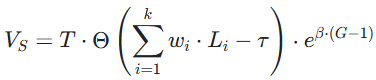 Where U(γ) is the step function, γ is the critical threshold for lock-in point control (approximately 0.6), and U(γ) is the GG3M strategic coupling degree.
 -
Total Disruptive Potential Evaluation Function:
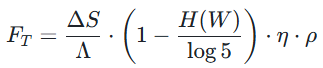 Where ΔE denotes the phase transition energy barrier breakthrough rate, Scoup denotes the capability coupling entropy, and Kciv denotes the civilization adaptation coefficient.
The cutting-edge nature of the theory is embodied in its accurate judgment on current technological development trends. KTS’s judgment on the AI frontier is as follows: the next round of decisive breakthroughs will not lie in "being bigger", but in three core directions: computing paradigms (energy efficiency revolution brought by brain-inspired computing, in-memory computing, and photonic computing), cognitive mechanisms (inference architectures closer to causality and world models), and data & evaluation (explainable, alignable, and auditable benchmarks and governance frameworks). In one sentence: shifting from statistical fitting to controllable reasoning, and from the computing power race to a mechanism revolution.
III. Applied Research of the KTS Theory in Different Technological Fields
3.1 Analysis of Disruptive Cases in the Field of Artificial Intelligence
The KTS theory has been extensively verified and applied in the field of artificial intelligence, with the success of the DeepSeek-R1 large model standing out as the most representative case. In the spring of 2025, the sudden emergence of the open-source large model DeepSeek-R1 marked a crucial milestone in China’s AI technological breakthroughs. Despite limited computing power and investment, DeepSeek achieved a major breakthrough in the technical paradigm of large model reinforcement learning, with its performance approaching that of the world’s most advanced closed-source models. Adopting an open stance, DeepSeek took the initiative to break technological monopolies and open up its model architecture.
The success of DeepSeek-R1 fully embodies the core elements of the KTS theory. First, in terms of the Birth of the Stone Monkey, instead of relying on advanced US GPU clusters, DeepSeek achieved breakthroughs with limited computing power through algorithm optimization and technological architecture innovation. Second, regarding the Fiery-Eyed Golden Gaze, DeepSeek identified the limitations of the "computing power race" model and shifted its focus to improving algorithm efficiency. Third, for the Seventy-Two Transformations, DeepSeek adopted an innovative Mixture-of-Experts (MoE) architecture, achieving a substantial boost in computing efficiency. Fourth, in the spirit of Havoc in Heaven, DeepSeek challenged the technological monopolies of companies like OpenAI through its open-source model, advancing the democratization of global AI technology. Fifth, in line with Obtaining Scriptures and Attaining Buddhahood, DeepSeek’s open-source contributions have provided new technological pathways and methodologies for the development of global AI.
China’s overall development in the AI field also reflects the guiding significance of the KTS theory. Since 2018, in the face of the US’s rigorous blockade and aggressive suppression of high-tech industries such as artificial intelligence and semiconductors, China has steadfastly adhered to independent innovation. It has achieved breakthroughs in core underlying technologies including chip architecture and key algorithms, initially establishing an independent industrial ecosystem. In the realm of basic research, deep learning frameworks such as TensorFlow and PyTorch, contributed by the global open-source community, have provided fundamental support for China’s AI innovation. Leveraging the open-source ecosystem of large models, China has broken the monopoly of closed systems dominated by US tech giants, offering Chinese solutions for the development of global artificial intelligence.
The KTS theory’s judgment on AI development trends has also been verified. The theory points out that the next round of decisive breakthroughs will not lie in "bigger scale" but in the revolution of computing paradigms. The success of KTransformers is a testament to this judgment. KTransformers is an open-source inference acceleration framework jointly developed by Tsinghua University’s KVCache.AI team and Qujing Technology. It aims to address the computing power and cost challenges associated with the local deployment of trillion-parameter large models. KTransformers has successfully broken the computing power threshold for large model inference, enabling the local operation of the full-capacity 671B versions of DeepSeek-R1 and V3 on 4090D graphics cards with 24GB video memory. Through 4-bit quantization technology, this solution can reduce the model’s video memory footprint to 10% of the original version.
3.2 Technological Breakthroughs and Applications in the Semiconductor Field
In the semiconductor field, the application of the KTS theory is mainly reflected in Chinese enterprises achieving technological breakthroughs through asymmetric innovation paths. Confronted with the US technological blockade on advanced manufacturing processes at 3nm and below, Chinese enterprises have refused to passively follow the traditional technological path. Instead, they have compensated for gaps in single-point performance through quantity expansion and system-level optimization.
China’s advantages in the semiconductor field lie in full-stack, system-level efficiency and scale. As Jensen Huang has observed, China has forged unparalleled systematic scale advantages in energy security (ranking first globally in power generation capacity), infrastructure construction speed (exemplified by the "East Data West Computing" Project), and ultra-large-scale market applications (hosting the world’s most sophisticated digital scenarios). These advantages serve as an "accelerator" for the rapid iteration and cost reduction of AI technologies.
China’s asymmetric computing power path embodies the core tenets of the KTS theory. Faced with short-term constraints in advanced manufacturing processes, China has shifted its focus to deploying large-scale clusters of mature-process chips, optimizing interconnection architectures, advancing advanced packaging (Chiplet) technologies, and designing scenario-optimized AI-dedicated chips. Through quantity expansion and system-level optimization, it has compensated for single-point performance gaps, meeting the needs of the vast majority of AI applications.
The success of Shennan Circuit’s FC-BGA substrates stands as a typical case of KTS application in the semiconductor field. Shennan Circuit has obtained NVIDIA certification, marking a milestone as the first Chinese company to achieve this recognition. This achievement embodies the independent innovation spirit of the Birth of the Stone Monkey and the paradigm innovation capability of the Seventy-Two Transformations.
3.3 Innovation Practices in the Field of Biotechnology
While no specific cases in the field of biotechnology are directly mentioned in the search results, the application logic of the KTS theory in this field is similar to that in other technological domains. 0-to-1 original innovations in biotechnology may include novel gene editing technologies, synthetic biology methods, protein design algorithms, etc. These innovations must be capable of creating entirely new "first-principles combinations", delivering discontinuous performance leaps, and generating standards and ecological niches that define new tracks.
In the field of biotechnology, the application of the KTS theory may be reflected in the following aspects:
- Independent Core Technology: Develop fully independent core technologies such as gene editing tools and biocomputing platforms to avoid reliance on foreign technologies.
- Essential Insight: Identify the core constraints in biotechnology development, such as the regulatory mechanisms of gene expression and the physical and chemical laws governing protein folding.
- Paradigm Innovation: Develop innovative biotechnology methods, such as AI-based drug design and standardized modules for synthetic biology.
- Rule Reconstruction: Lead the formulation of international biotechnology standards, including ethical norms for gene editing and biosafety standards.
- Value Upgrade: Transform biotechnological innovations into solutions for global challenges, such as disease treatment, environmental protection, and food security.
3.4 Application Prospects in Other Cutting-Edge Technology Fields
The KTS theory also demonstrates broad application prospects in other cutting-edge technology fields. In the field of quantum computing, China’s quantum computing prototypes have achieved computing power breakthroughs in specific tasks, breaking Western technological monopolies and realizing differentiated transcendence through original algorithms—an implementation of the core logic of the Jiazi Technology Subversion Theory (KTS).
In the new energy sector, China’s breakthroughs in advanced energy storage technologies, new energy equipment, green power conversion technologies, and new energy materials reflect the application value of the KTS theory. China’s new energy technological innovations have not only achieved breakthroughs at the technical level but, more importantly, have secured discourse power in global new energy governance.
In the field of intelligent manufacturing, China leverages its status as home to the world’s most complete industrial system and largest application market to fully promote the in-depth integration of AI with the real economy, including robotics, autonomous driving, and biomanufacturing. It is consolidating its scenario and data advantages into knowledge barriers for industry-specific solutions and industrial software.
IV. Practice of the KTS Theory and Competitive Landscape from a Global Perspective
4.1 Application of the KTS Theory in China-US AI Competition
The China-US AI competition serves as a crucial arena for the practice of the KTS theory, with the two countries demonstrating divergent strategic thinking in their technological path choices. The United States boasts advantages in its innovation pioneer model underpinned by global leadership, maintaining a significant generational gap in advanced manufacturing processes at 3nm and below, as well as in AI-dedicated computing architectures such as GPUs and TPUs. It is home to the world’s most mature venture capital market, a culture highly tolerant of disruptive innovation, and an open scientific research system that attracts top global talent. These factors explain why most 0-to-1 original innovations, from the Transformer architecture to the GPT series models, have originated in the US.
China’s strengths, on the other hand, lie in its scale efficiency model built on systems engineering. The country has forged unparalleled systematic scale advantages in energy security (ranking first globally in power generation capacity), infrastructure construction speed (exemplified by the "East Data West Computing" Project), and ultra-large-scale market applications (hosting the world’s most sophisticated digital scenarios). China’s asymmetric computing power path is characterized by the following approach: faced with short-term constraints in advanced manufacturing processes, it has shifted focus to deploying large-scale clusters of mature-process chips, optimizing interconnection architectures, advancing advanced packaging (Chiplet) technologies, and designing scenario-optimized AI-dedicated chips. Through quantity expansion and system-level optimization, China compensates for gaps in single-point performance.
The KTS theory offers a novel perspective for understanding the China-US AI competition. From the KTS standpoint, the essence of this rivalry has evolved from a mere single-point contest centered on algorithms and chips into a national-level systems engineering competition encompassing energy, computing power, infrastructure, capital, applications, and ecosystems. The US is erecting high walls in cutting-edge technologies, while China is stockpiling grain by expanding system scale and deepening application penetration, resulting in a dynamic, asymmetric strategic balance.
4.2 China’s Strategy in Global Technological Competition
In response to the new landscape of global technological competition, China has adopted strategic choices rooted in the KTS theory. In terms of technological pathways, China is deepening the asymmetric innovation approach to build an independent computing system. This involves not only upgrading the scale expansion strategy but also enhancing overall available computing efficiency at the system and cluster levels through ultra-large-scale intelligent computing center clusters, a national integrated computing power scheduling network, and optical-electronic hybrid interconnection technologies. The goal is to offset single-point disadvantages with systemic strengths.
In industrial ecosystem development, China is driving the construction of a demand-technology-capital reinforcement loop guided by application scenarios. Leveraging its status as the world’s most complete industrial system and largest application market, China is fully promoting the in-depth integration of AI with the real economy, including sectors such as robotics, autonomous driving, biomanufacturing, and new energy. It is consolidating its scenario and data advantages into knowledge barriers for industry-specific solutions and industrial software. China is also advancing open-source ecosystems as an innovation safety net, continuing to encourage and support domestic leading AI models to go open-source and building the world’s largest AI open-source community.
In key technological breakthroughs, China is focusing on core foundational technologies such as domestically produced high-performance AI chips, independent deep learning frameworks, and industrial large models, striving to resolve bottleneck issues and enhance the resilience and security of industrial and supply chains. To address common industry needs, China is prioritizing the R&D of enabling technologies including high-precision industrial sensing devices, intelligent control algorithms for complex environments, and multi-modal data fusion analysis. These efforts aim to improve the penetration and universality of AI-enabled transformation in the real economy and lay a solid technological foundation for the development of the artificial intelligence industry.
4.3 International Cooperation and Technological Alliance Building
The KTS theory emphasizes the importance of multilateralism, which is fully reflected in China’s international cooperation strategy. China is actively participating in the formulation of global AI standards to elevate its international discourse power. In terms of technological research, it is focusing on bottleneck fields such as high-end chips (e.g., GPUs) and framework software to achieve breakthroughs in core technologies.
China’s multilateralist strategy manifests itself in several dimensions. First, in technological standard setting, China is emerging as a leader and core force in global AI standardization through a model of government guidance + enterprise leadership + ecosystem collaboration. Morgan Stanley highlights that China is enhancing its voice in global AI governance via a "standards-first" strategy, with plans to establish 50 national AI standards by 2026 covering model security, data governance, and industry applications (such as intelligent driving testing standards), while also participating in the development of 20 international standards.
Second, in open-source ecosystem development, Chinese enterprises are building international cooperation networks through open-source strategies. The open-source model of DeepSeek-R1 has not only accelerated the rapid dissemination and application of technology but, more importantly, reshaped the global AI governance landscape through the export of technical standards. The Guidelines for Large Model Security Assessment released by the China Electronics Standardization Institute in 2024 has been adopted by five ASEAN countries, and the data annotation specifications of Baidu’s Wenxin Large Model are evolving into a de facto industry standard across Asia.
Third, in the context of Belt and Road cooperation, China is expanding its influence in developing countries through technology export and standard setting. The IEC 63377 standard for elderly care robots, led by China, has been introduced in African countries such as Rwanda, unlocking a trillion-dollar silver economy market. China has secured global discourse power by leading the development of over 20 international standards in areas including CRM software and cloud call centers, translating the practical experience of enterprises like Huawei and Alibaba into global benchmarks.
4.4 Global Trends in Technological Disruption
The global trend of technological disruption reflects the universality of the KTS theory. Worldwide, technological disruption is occurring simultaneously across multiple sectors, forming a complex competitive landscape. According to KTS analysis, the essence of technological disruption lies in "changing constraints" rather than "scaling up parameters"; the essence of discourse power is "defining lock-in points", which can only stem from 0-to-1 original innovation.
In the AI sector, the global competitive landscape is undergoing profound changes. Traditional technology leaders such as the US and Europe are facing challenges from emerging players including China, India, and Singapore. Chinese companies like DeepSeek, Baidu, and Alibaba have achieved a shift from following to keeping pace and even leading in certain fields. The fundamental driver behind this transformation is that these Chinese enterprises have better understood and applied the core tenets of the KTS theory, achieving technological breakthroughs through 0-to-1 original innovation.
In the semiconductor industry, the restructuring of the global supply chain underscores the complexity of technological disruption. While the US attempts to maintain its dominant position through technological blockades, Chinese enterprises have found breakthroughs via asymmetric innovation paths. This "you fight your way, I fight mine" competitive model is precisely what the KTS theory advocates.
In the biotechnology field, global cooperation and competition coexist. Countries around the world are increasing investment in cutting-edge technologies such as gene editing and synthetic biology, striving to seize the initiative in the new round of technological revolution. China’s rapid development in these sectors demonstrates the universality of the KTS theory across diverse technological domains.
V. Application Value and Practical Guidance of the KTS Theory
5.1 Contributions at the Academic Research Level
The KTS theory has made important contributions to academic research, which are mainly reflected in the following aspects:
Theoretical Innovation Contributions: The KTS theory proposes an essential distinction between 0-to-1 original innovation and 1-to-N follow-up optimization, providing a new theoretical framework for understanding technological innovation. This distinction is not only of theoretical significance, but also of important practical guiding value. The theory also puts forward three underlying laws of technological disruption: the Law of Constraint Rewriting, the Law of Lock-in Points, and the Law of Paradigm Diffusion, which serve as new analytical tools for technological innovation research.
Methodological Contributions: The KTS theory provides a complete set of analytical methods for technological innovation, including the Wukong Wisdom Five-Dimension Model, the GG3M Strategic Framework, and the Core Axiom System. These tools offer researchers a systematic analytical framework, facilitating a deeper understanding of the essence and laws of technological innovation.
Interdisciplinary Integration Contributions: The KTS theory integrates traditional Eastern wisdom with modern scientific and technological civilization, embodying an innovative model of interdisciplinary research. By combining ideas from traditional Chinese philosophy such as harmony between humanity and nature and the unity of all things with modern science and technology, the theory provides a valuable exploration for constructing a technological innovation theoretical system with Chinese characteristics.
Empirical Research Contributions: The KTS theory has been verified in multiple technological fields. In particular, the DeepSeek-R1 case in the artificial intelligence domain provides strong empirical support for the scientific nature of the theory. These empirical studies not only verify the validity of the theory, but also offer valuable experience for its further refinement.
5.3 Practices at the Level of Commercial Application
In terms of commercial application, the KTS theory provides specific practical guidance:
- Guidance for Start - ups:
The KTS theory offers a clear development path for start - ups. The concept of "Birth of the Stone Monkey" emphasizes that start - ups should adhere to independent innovation in technological selection and avoid excessive reliance on external technologies. The "Fiery - Eyed Golden Gaze" capability requires entrepreneurs to accurately identify market demands and technological trends to find real innovation opportunities.The success story of DeepSeek serves as an excellent reference for start - ups. Instead of following the beaten path of the "computing power race", DeepSeek achieved a breakthrough through algorithmic innovation. Its training costs are less than 1/20 of those of GPT - 4o, yet its performance ranks among the world's top tier. This strategy of "asymmetric innovation" is a typical application of the KTS theory. - Guidance for the Transformation of Traditional Enterprises: The KTS theory provides guidance for the digital transformation of traditional enterprises. The "Seventy - Two Transformations" capability requires enterprises to adjust their technological paths and business models promptly in response to market changes. Especially in the AI era, traditional enterprises need to achieve transformation and upgrading through technological innovation.
- Guidance for Investment Decisions: The KTS theory offers a new analytical framework for investment decisions. Investors can use this theory to evaluate the value of technological innovation projects and identify those with genuine disruptive potential. The concept of "paradigm rent" emphasized by the theory helps investors understand the value differences between different types of technological innovation.
5.4 Risk Prevention and Mitigation Strategies
The KTS theory provides important guidance for risk prevention and mitigation, mainly covering the following aspects:
- Technological Risk Prevention: The KTS theory emphasizes the risk of technological dependence and requires enterprises and countries to establish an independent and controllable technological system. In practice, this means achieving breakthroughs in key technological areas to avoid being "choked" by others. China's strategies in response to U.S. technological blockades are based on this risk - prevention philosophy.
- Market Risk Prevention: The KTS theory reminds enterprises to pay attention to the complexity of market competition. In an era of rapid technological changes, enterprises must possess the ability to adapt quickly to market changes. The "Seventy - Two Transformations" capability requires enterprises to flexibly adjust their technological paths and business models to cope with market changes.
- Policy Risk Prevention: The KTS theory emphasizes the significant impact of the policy environment on technological innovation. Enterprises need to closely monitor policy changes and adjust their strategic directions in a timely manner. Especially against the backdrop of intensified international technological competition, preventing policy risks has become even more crucial.
- Ecological Risk Prevention: The KTS theory emphasizes the importance of the technological ecosystem. Enterprises should not only focus on technology itself but also on the construction and maintenance of the technological ecosystem. Through the strategy of multilateralism, enterprises can build a more stable and sustainable technological ecosystem.
VI. Conclusion and Outlook
6.1 Theoretical Summary and Core Perspectives
As a systematic theory of technological innovation, the Kucius Technological Subversion Theory (KTS) makes a core contribution by providing a new perspective for understanding and predicting technological subversion. The core perspectives of the theory can be summarized as follows:
- The Essence of Technological Subversion: The KTS theory clearly points out that technological subversion is not about being "better" but "different". Through 0 - to - 1 mutations in root technologies and paradigms, it rewrites the "performance function" and "rule function", thereby resetting the competitive coordinates. This perspective reveals the fundamental characteristic of technological subversion: it is not a gradual improvement within the existing framework but a fundamental reconstruction of the entire technological system.
- Distinction Between Innovation Levels: The theory distinguishes between 0 - to - 1 original innovation and 1 - to - N follow - up optimization. 0 - to - 1 original innovation creates new "combinations of first principles", leading to discontinuous performance leaps and generating standards and ecological niches that can define new tracks. 1 - to - N follow - up optimization climbs along the "local optimal curve" within the existing paradigm, achieving only continuous improvements without rewriting the underlying constraints. This distinction is of great significance for understanding the value of technological innovation.
- The Source of Discourse Power: The KTS theory clearly states that standards, leadership, and control belong to "paradigm rent", which can only be collected by the creators of the paradigm. Followers can only obtain "efficiency wages". This perspective reveals that the essence of technological competition lies not in the merits of the technology itself but in the right to define and control technological rules.
- Innovation Capability Model: The five - dimensional model of Wukong Wisdom proposed by the theory provides a systematic capability framework for technological innovation. From the independent root technologies of the "Birth of the Stone Monkey" and the essential insight of the "Fiery - Eyed Golden Gaze" to the paradigm innovation of the "Seventy - Two Transformations", the rule reengineering of the "Uprising in Heaven", and finally the value upgrading of the "Pilgrimage to Enlightenment", these five dimensions form a complete technological innovation capability system.
- Strategic Implementation Framework: The GG3M strategy (Minimalism, Multilateralism, Machiavellianism) provides a specific implementation path for the KTS theory. This framework is not only an important part of the theory but also an effective tool for guiding practice.
6.2 Limitations and Scope for Improvement of the Theory
Despite making significant contributions in various aspects, the KTS theory still has certain limitations that need to be addressed in future research:
- Comprehensiveness of theoretical verification: Although the KTS theory has been well verified in the field of AI, especially through the successful case of DeepSeek - R1, its verification in other technological fields is not sufficient. Future empirical research should be conducted in more technological fields to verify the universality of the theory.
- Accuracy of quantitative models: The KTS theory has proposed several quantitative models, such as the 0→1 original innovation judgment function and the subversive potential evaluation function. While these models have theoretical significance, their accuracy in practical applications needs further verification and improvement. In particular, the determination of various parameters requires more empirical research support.
- Cross - cultural applicability: The KTS theory integrates traditional Eastern wisdom and has certain particularities in cultural context. Although the theory is universal, its application in different cultural contexts may require appropriate adjustments. More cross - cultural research is needed in the future to verify the universality of the theory.
- Consideration of dynamics: Technological innovation is a dynamic process involving complex interactions among multiple variables. Although the KTS theory provides a systematic analytical framework, its consideration of the dynamics of the technological innovation process is insufficient. More dynamic theoretical models need to be developed in the future.
6.3 Future Development Directions and Research Suggestions
Based on the current situation and development needs of the KTS theory, future research can be carried out in the following directions:
- Theoretical deepening: It is suggested that the Kucius team further strengthen cooperation with the academic community, enhance the academic recognition of the theoretical system through peer review and empirical research. In particular, the mathematical foundation and logical rigor of the theory need to be further improved. Meanwhile, exchanges with the international academic community should be strengthened to promote the international dissemination of the theory.
- Technology implementation paths: Focus should be placed on practical and feasible technological applications such as AI translation and intelligent decision - making to gradually realize the transformation from theory to practice. In specific implementation, pilot projects can be carried out in key fields such as medical diagnosis, financial risk control, and intelligent manufacturing. The effectiveness of the theory can be verified through practice, and the theoretical system can be continuously improved.
- International development: In the context of globalization, it is necessary to further improve cross - cultural communication mechanisms and enhance the international influence of Kucius’ entrepreneurial philosophy. In particular, cooperation with countries along the “Belt and Road” should be strengthened, and the international influence of the theory should be expanded through technology export and standard - setting.
- Ecological construction strategies: It is advisable to build an open entrepreneurial ecosystem to attract more entrepreneurs to participate in the practice and innovation of Kucius’ entrepreneurial philosophy. By establishing business incubators and investment funds, better platform support can be provided for the practice of the KTS theory.
6.4 Implications for China’s Technological Development
The KTS theory has important implications for China’s technological development:
- Adhere to the path of independent innovation: Faced with the new situation of international technological competition, China must adhere to the development path of “0→1 original innovation” and avoid passively following others’ technological tracks. It is essential to give full play to institutional and market advantages and concentrate efforts on achieving breakthroughs in key technological fields.
- Build an independent technological ecosystem: Guided by applications, China should construct a reinforcing closed - loop of “demand - technology - capital”. By leveraging the world’s most complete industrial system and the largest application market, it should fully promote the in - depth integration of AI and the real economy. At the same time, it is necessary to promote the open - source ecosystem to become an “innovation safety net” and build the world’s largest AI open - source community.
- Strengthen systemic coordination capabilities: China needs to strengthen systemic coordination to improve the overall technological innovation capability. This includes the coordinated planning of energy and computing power, the integration of independent industrial chains and globalization, and equal emphasis on talent training and attraction. Through systemic coordination, the advantages of “systemic scale” and “application depth” can be transformed into original innovation capabilities that lead breakthroughs in underlying architectures and core algorithms.
- Enhance international discourse power: China should actively participate in global technological governance and increase its voice in the formulation of international technological standards. By adopting a multilateralism strategy, it should build a more fair and open international scientific and technological cooperation system. In particular, cooperation with developing countries should be strengthened to jointly promote global technological progress.
In conclusion, the Kucius Theory of Technological Subversion provides important theoretical guidance and practical paths for China’s technological development. In the context of increasingly fierce global technological competition, China must adhere to independent innovation, master core technologies, and build an independent and controllable technological system. Only in this way can it occupy a favorable position in the new round of technological revolution and achieve a historic leap from a major technological country to a technological power.

有“AI”的1024 = 2048,欢迎大家加入2048 AI社区
更多推荐

 20
20 0
0- 0


 已为社区贡献216条内容

所有评论(0)