【C++ STL】哈希表封装unordered_set和unordered_map
·
文章目录
前言
在该文章中我们将复用哈希中的链地址法的结构。来实现我们对哈希表的封装。
所以这里哈希的数据结构就不再过多描述了!
1. 哈希表分析结构
-
unordered_set:和set类似都是以value作为key值存储在底层结构中。
-
unordered_map:和map类似都是key/value的结构以pair键值对的形式存储在底层结构。
Key:键值key的类型。对于unordered_set来说就是value的类型,对于unordered_map来说就是pair键值对的第一个参数的类型。T:映射的数据类型,即value的类型Hash:哈希函数的类型。传入一个可调用对象类型。Pred:用于自定义判断两个key是否相等的规则。(小编为了简化,下面就不再使用这个参数)
下面我们改造一下我们的hash:
template<class T>
struct Node
{
	T _data;
	Node<T>* _next = nullptr;
	Node(const T& data)
		:_data(data)
	{}
};

// K:key键值类型
// T:节点存储的类型
// KofT:提取T中的key
// HashFunc:哈希函数 —> 交给上层传入
template<class K, class T, class HashFunc, class KOfT>
class HashTable
{
	typedef Node<T> Node;
	typedef HashTable<K, T, HashFunc, KOfT> self;
public:
	HashTable() //默认构造
	{
		_table.resize(10);
	}

	~HashTable() //析构函数
	{
		for (size_t i = 0; i < _table.size(); i++)
		{
			Node* cur = _table[i];
			while (cur != nullptr)
			{
				Node* next = cur->_next;
				delete cur;
				cur = next;
			}
			_table[i] = nullptr;
		}
	}

	HashTable(const self& ht) //拷贝构造
		:_n(ht._n)
	{
		_table.resize(ht._table.size());
		for (size_t i = 0; i < ht._table.size(); i++)
		{
			Node* cur = ht._table[i];
			Node* tail = _table[i];
			while (cur != nullptr) //尾插
			{
				if (_table[i] == tail)
				{
					_table[i] = tail = new Node(cur->_data);
				}
				else
				{
					tail->_next = new Node(cur->_data);
					tail = tail->_next;
				}
				cur = cur->_next;
			}
		}
	}
private:
	KOfT _get_key; //获取键值的方法
	HashFunc _hf; //哈希函数
private:
	vector<Node*> _table; //指针数组
	size_t _n = 0; //记录个数
};
KOfT:底层不区分T的类型是什么的,T有可能是Key也有可能是pair。所以需要一个方法能够得到T类型中的key。HashFunc:哈希函数。如何得到哈希值的方法。- 映射算法:我们采用除留余数法。
2. 哈希表迭代器设计
很有意思的是C++命名哈希表作为底层数据结构的集合和映射取名为了unordered_set和unordered_map是因为它们的遍历顺序是无序的(和set&&map区分)因为桶中数据是不确定顺序的!和插入的顺序有关。
而哈希表中的每一个桶中的元素都是以节点的形式存在的,所以其迭代器的设计很有必要的是以节点作为元素的主要。
- 哈希表的迭代器是一个单向迭代器。支持
operator++。
2.1 operator++
-
问题是:现在我们已经得到了某个桶中的每个节点的位置了,如何找到下一个访问的位置呢?
- 在桶(单链表)直接找到下一个节点即可。
- 如果下一个节点为空,就需要前往下一个桶!!!
-
那么如何找到下一个桶呢?
如果我们迭代器中没能指向该迭代器所在哈希表的指针,我们是无法得知它的下一个桶在哪里的,所以我们有必要添加一个指针指向当前迭代器所在哈希表的地址。通过该指针我们就能得知下一个桶的位置了。所以我们很有必要在模板参数上添加上哈希表所需要的参数!
template <class T, class Ptr, class Ref, class K, class HashFunc, class KOfT>
class HTiterator
{
	typedef Node<T> Node;
	typedef HTiterator<T, Ptr, Ref, K, HashFunc, KOfT> self;
	typedef HashTable<K, T, HashFunc, KOfT> HashTable;
	typedef HTiterator<T, T*, T&, K, HashFunc, KOfT> Iterator;
public:
	HTiterator(const Iterator& iter)
		:_ptr(iter._ptr)
		,_node(iter._node)
	{ }
	HTiterator(Node* n, const HashTable* p)
		:_ptr(p)
		,_node(n)
	{ }

	Ref operator*()
	{
		return _node->_data;
	}
	Ptr operator->()
	{
		return &(operator*());
	}

	self& operator++()
	{
		KOfT kot;
		HashFunc hf;
		if (_node->_next != nullptr)
		{
			_node = _node->_next;
		}
		else //等于空就找下一个位置
		{
			//先算当前位置
			size_t hashi = hf(kot(_node->_data)) % _ptr->_table.size();
			//声明了友元就可以访问private
			//
			//找下一个位置的桶:
			++hashi;
			while (hashi < _ptr->_table.size())
			{
				if (_ptr->_table[hashi] != nullptr)
				{
					_node = _ptr->_table[hashi];
					return *this;
				}
				++hashi;
			}
			_node = nullptr;
		}
		return *this;
	}

	bool operator!=(const self& it)
	{
		return _node != it._node;
	}
public: //方便外界访问
	const HashTable* _ptr; //指向迭代器所在的哈希表。
	// const属性可以解决两个问题:1、const HashTable* this 2、不用权限的放大
	Node* _node; //当前节点

};
哈希表中的迭代器添加:
typedef HTiterator<T, T*, T&, const K, HashFunc, KOfT> iterator;
typedef HTiterator<T, const T*, const T&, const K, HashFunc, KOfT> const_iterator;

iterator begin()
{
	for (size_t i = 0; i < _table.size(); i++)
	{
		Node* cur = _table[i];
		if (cur != nullptr)
		{
			return iterator(cur, this);
		}
	}
	return iterator(nullptr, this);
}
iterator end()
{
	return iterator(nullptr, this);
}
const_iterator begin() const
{
	for (size_t i = 0; i < _table.size(); i++)
	{
		Node* cur = _table[i];
		if (cur != nullptr)
		{
			return const_iterator(cur, this);
		}
	}
	return const_iterator(nullptr, this);
}
const_iterator end() const
{
	return const_iterator(nullptr, this);
}
3. 哈希表的元素操作
3.1 insert
哈希的元素操作,不管是插入有可能元素插入失败,并且我们需要为其返回正确的迭代器,所以我们应该这样设计:pair<iterator, bool>
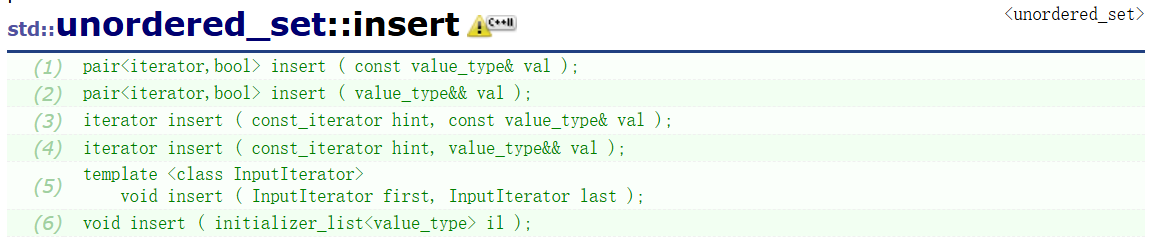
pair<iterator, bool> insert(const T& val)
{
	if (_n == _table.size()) //判断是否需要扩容
	{
		//临时对象交换的思想进行复制
		size_t newsize = _table.size() * 2;
		vector<Node*> tmp(newsize);
		//遍历原哈希表:
		for (size_t i = 0; i < _table.size(); i++)
		{
			Node* cur = _table[i]; //复制每一个桶
			while (cur != nullptr)
			{
				Node* next = cur->_next; //得到下一个位置

				//将cur头插到对应的tmp的映射位置
				size_t hashi = _hf(_get_key(cur->_data)) % tmp.size();
				cur->_next = tmp[hashi];
				tmp[hashi] = cur;
				//迭代
				cur = next;
			}
			//将原哈希表位置置空
			_table[i] = nullptr;
		}
		//交换
		_table.swap(tmp);
	}
	//插入新元素
	size_t hashi = _hf(_get_key(val)) % _table.size();
	Node* cur = _table[hashi];
	while (cur != nullptr)
	{
		if (_hf(_get_key(cur->_data)) == _hf(_get_key(val))) //已经存在了
		{
			return make_pair(iterator(cur, this), false);
		}
		cur = cur->_next;
	}
	//头插链接:
	Node* newnode = new Node(val);
	newnode->_next = _table[hashi];
	_table[hashi] = newnode;

	++_n;
	return make_pair(iterator(newnode, this), true);
}
3.2 erase
-
我们来看文档:

我们尝试写第二个函数接口。返回值,如果删除成功返回1,删除失败返回0。

size_t erase(const K& key)
{
	size_t hashi = _hf(key) % _table.size();

	Node* cur = _table[hashi];
	Node* prev = nullptr;
	while (cur != nullptr)
	{
		if (_hf(_get_key(cur->_data)) == _hf(key))
		{
			if (prev == nullptr)
			{
				_table[hashi] = cur->_next;
			}
			else
			{
				prev->_next = cur->_next;
			}
			delete cur;
			--_n;
			return 1;
		}
		prev = cur;
		cur = cur->_next;
	}
	return 0;
}
4. 封装unordered_set
#pragma once
#include "HashTable.h"

template<class T>
struct DefalutType //转化key的方法
{
	size_t operator()(const T& val)
	{
		return (size_t)val;
	}
};

template<>
struct DefalutType<string>
{
	size_t operator()(const string& val)
	{
		size_t hashi = 0;
		for (auto e : val)
		{
			hashi *= 131;
			hashi += e;
		}
		return hashi;
	}
};

namespace LL
{
	template<class K, class HashFunc = DefalutType<K>>
	class unordered_set
	{

		struct KeyOfT_Set
		{
			const K& operator()(const K& key)
			{
				return key;
			}
		};
	public:
		typedef typename HashTable<const K, K, HashFunc, KeyOfT_Set>::const_iterator iterator;
		typedef typename HashTable<const K, K, HashFunc, KeyOfT_Set>::const_iterator const_iterator;

		iterator begin() const
		{
			return _ht.begin();
		}
		iterator end() const
		{
			return _ht.end();
		}

		pair<iterator, bool> insert(const K& key)
		{
			pair<typename HashTable<const K, K, HashFunc, KeyOfT_Set>::iterator, bool> tmp = _ht.insert(key);
			return pair<iterator, bool>(tmp.first, tmp.second); //匿名对象
		}
	private:
		HashTable<const K, K, HashFunc, KeyOfT_Set> _ht;
	};
}
5. 封装unordered_map
#pragma once
#include "HashTable.h"

namespace LL
{
	template<class K, class V, class HashFunc = DefalutType<K>>
	class unordered_map
	{
		struct KeyOfT_Map
		{
			const K& operator()(const pair<const K, V>& kv)
			{
				return kv.first;
			}
		};
	public:
		typedef typename HashTable<const K, pair<const K, V>, HashFunc, KeyOfT_Map>::iterator iterator;
		typedef typename HashTable<const K, pair<const K, V>, HashFunc, KeyOfT_Map>::const_iterator const_iterator;

		iterator begin()
		{
			return _ht.begin();
		}
		iterator end()
		{
			return _ht.end();
		}
		pair<iterator, bool> insert(const pair<K, V>& kv)
		{
			return _ht.insert(kv);
		}

		V& operator[](const K& key)
		{
			pair<iterator, bool> ret = _ht.insert(make_pair(key, V()));
			return ret.first->second;
		}

	private:
		HashTable<const K, pair<const K, V>, HashFunc, KeyOfT_Map> _ht;
	};
}
完整哈希表代码
#pragma once
#include<iostream>
using namespace std;
#include<vector>

template<class T>
struct DefalutType //转化key的方法
{
	size_t operator()(const T& val)
	{
		return (size_t)val;
	}
};

template<>
struct DefalutType<string>
{
	size_t operator()(const string& val)
	{
		size_t hashi = 0;
		for (auto e : val)
		{
			hashi *= 131;
			hashi += e;
		}
		return hashi;
	}
};


template<class T>
struct Node
{
	T _data;
	Node<T>* _next = nullptr;

	Node(const T& data)
		:_data(data)
	{
	}
};

template<class K, class T, class HashFunc, class KOfT>
class HashTable; //前置声明

template <class T, class Ptr, class Ref, class K, class HashFunc, class KOfT>
class HTiterator
{
	typedef Node<T> Node;
	typedef HTiterator<T, Ptr, Ref, K, HashFunc, KOfT> self;
	typedef HashTable<K, T, HashFunc, KOfT> HashTable;
	typedef HTiterator<T, T*, T&, K, HashFunc, KOfT> Iterator;
public:
	HTiterator(const Iterator& iter)
		:_ptr(iter._ptr)
		,_node(iter._node)
	{ }
	HTiterator(Node* n, const HashTable* p)
		:_ptr(p)
		,_node(n)
	{ }

	Ref operator*()
	{
		return _node->_data;
	}
	Ptr operator->()
	{
		return &(operator*());
	}

	self& operator++()
	{
		KOfT kot;
		HashFunc hf;
		if (_node->_next != nullptr)
		{
			_node = _node->_next;
		}
		else //等于空就找下一个位置
		{
			//先算当前位置
			size_t hashi = hf(kot(_node->_data)) % _ptr->_table.size();
			//声明了友元就可以访问private
			//
			//找下一个位置的桶:
			++hashi;
			while (hashi < _ptr->_table.size())
			{
				if (_ptr->_table[hashi] != nullptr)
				{
					_node = _ptr->_table[hashi];
					return *this;
				}
				++hashi;
			}
			_node = nullptr;
		}
		return *this;
	}

	bool operator!=(const self& it)
	{
		return _node != it._node;
	}
public:
	const HashTable* _ptr; //指向迭代器所在的哈希表。
	// const属性可以解决两个问题:1、const HashTable* this 2、不用权限的放大
	Node* _node; //当前节点

};


// K:key键值类型
// T:节点存储的类型
// KofT:提取T中的key
// HashFunc:哈希函数 —> 交给上层传入
template<class K, class T, class HashFunc, class KOfT>
class HashTable
{
	typedef Node<T> Node;
	typedef HashTable<K, T, HashFunc, KOfT> self;
public:
	HashTable() //默认构造
	{
		_table.resize(10);
	}

	~HashTable() //析构函数
	{
		for (size_t i = 0; i < _table.size(); i++)
		{
			Node* cur = _table[i];
			while (cur != nullptr)
			{
				Node* next = cur->_next;
				delete cur;
				cur = next;
			}
			_table[i] = nullptr;
		}
	}

	HashTable(const self& ht) //拷贝构造
		:_n(ht._n)
	{
		_table.resize(ht._table.size());
		for (size_t i = 0; i < ht._table.size(); i++)
		{
			Node* cur = ht._table[i];
			Node* tail = _table[i];
			while (cur != nullptr) //尾插
			{
				if (_table[i] == tail)
				{
					_table[i] = tail = new Node(cur->_data);
				}
				else
				{
					tail->_next = new Node(cur->_data);
					tail = tail->_next;
				}
				cur = cur->_next;
			}
		}
	}
public:
	//为迭代器声明友元
	//声明友元,可以在迭代器类中访问私有成员
	template <class T, class Ptr, class Ref, class K, class HashFunc, class KOfT>
	friend class HTiterator;

	typedef HTiterator<T, T*, T&, const K, HashFunc, KOfT> iterator;
	typedef HTiterator<T, const T*, const T&, const K, HashFunc, KOfT> const_iterator;


	iterator begin()
	{
		for (size_t i = 0; i < _table.size(); i++)
		{
			Node* cur = _table[i];
			if (cur != nullptr)
			{
				return iterator(cur, this);
			}
		}
		return iterator(nullptr, this);
	}
	iterator end()
	{
		return iterator(nullptr, this);
	}
	const_iterator begin() const
	{
		for (size_t i = 0; i < _table.size(); i++)
		{
			Node* cur = _table[i];
			if (cur != nullptr)
			{
				return const_iterator(cur, this);
			}
		}
		return const_iterator(nullptr, this);
	}
	const_iterator end() const
	{
		return const_iterator(nullptr, this);
	}

	pair<iterator, bool> insert(const T& val)
	{
		if (_n == _table.size()) //判断是否需要扩容
		{
			//临时对象交换的思想进行复制
			size_t newsize = _table.size() * 2;
			vector<Node*> tmp(newsize);
			//遍历原哈希表:
			for (size_t i = 0; i < _table.size(); i++)
			{
				Node* cur = _table[i]; //复制每一个桶
				while (cur != nullptr)
				{
					Node* next = cur->_next; //得到下一个位置

					//将cur头插到对应的tmp的映射位置
					size_t hashi = _hf(_get_key(cur->_data)) % tmp.size();
					cur->_next = tmp[hashi];
					tmp[hashi] = cur;
					//迭代
					cur = next;
				}
				//将原哈希表位置置空
				_table[i] = nullptr;
			}
			//交换
			_table.swap(tmp);
		}
		//插入新元素
		size_t hashi = _hf(_get_key(val)) % _table.size();
		Node* cur = _table[hashi];
		while (cur != nullptr)
		{
			if (_hf(_get_key(cur->_data)) == _hf(_get_key(val))) //已经存在了
			{
				return make_pair(iterator(cur, this), false);
			}
			cur = cur->_next;
		}
		//头插链接:
		Node* newnode = new Node(val);
		newnode->_next = _table[hashi];
		_table[hashi] = newnode;

		++_n;
		return make_pair(iterator(newnode, this), true);
	}

	size_t erase(const K& key)
	{
		size_t hashi = _hf(key) % _table.size();

		Node* cur = _table[hashi];
		Node* prev = nullptr;
		while (cur != nullptr)
		{
			if (_hf(_get_key(cur->_data)) == _hf(key))
			{
				if (prev == nullptr)
				{
					_table[hashi] = cur->_next;
				}
				else
				{
					prev->_next = cur->_next;
				}
				delete cur;
				--_n;
				return 1;
			}
			prev = cur;
			cur = cur->_next;
		}
		return 0;
	}

private:
	KOfT _get_key; //获取键值的方法
	HashFunc _hf; //哈希函数
private:
	vector<Node*> _table; //指针数组
	size_t _n = 0; //记录个数
};
- 测试代码
#include "Unordered_map.h"
#include "Unordered_set.h"

#include <iostream>
using namespace std;

//int main()
//{
//	LL::unordered_set<int> s;
//	s.insert(1);
//	s.insert(2);
//	s.insert(3);
//	s.insert(4);
//	s.insert(5);
//	s.insert(6);
//	s.insert(11);
//	s.insert(12);
//
//	for (auto e : s)
//	{
//		cout << e << " ";
//	}
//	cout << endl;
//	return 0;
//}

void test1();
void test2();

int main()
{
	test1();
	test2();
	return 0;
}


void test1()
{
	LL::unordered_set<int> s;
	s.insert(1);
	s.insert(2);
	s.insert(3);
	s.insert(4);
	s.insert(5);
	s.insert(6);
	s.insert(7);
	s.insert(8);
	s.insert(9);
	s.insert(10);
	s.insert(21);
	LL::unordered_set<int>::iterator it = s.begin();
	while (it != s.end())
	{
		cout << *it << " ";
		++it;
	}
	cout << endl;
	cout << endl;
}

void test2()
{
	LL::unordered_map<string, string> m;
	m.insert(make_pair("string", "xx"));
	m.insert(make_pair("insert", ""));
	m.insert(make_pair("iterator", ""));
	m.insert(make_pair("nice", ""));

	for (auto& e : m)
	{
		e.second = "xxx";
		cout << e.first << " : " << e.second << endl;
	}
	cout << endl << endl;

	m["string"] = "字符串";
	m["love"];
	m["nice"] = "";
	m["I"] = "我";
	m["you"] = "不嘻嘻";

	LL::unordered_map<string, string>::iterator mit = m.begin();
	while (mit != m.end())
	{
		//mit->first = " ";
		cout << mit->first << " : " << mit->second << endl;
		++mit;
	}
	cout << endl;
	int a = 0;
}

有“AI”的1024 = 2048,欢迎大家加入2048 AI社区
更多推荐

 7
7 0
0- 0


 已为社区贡献4条内容

所有评论(0)